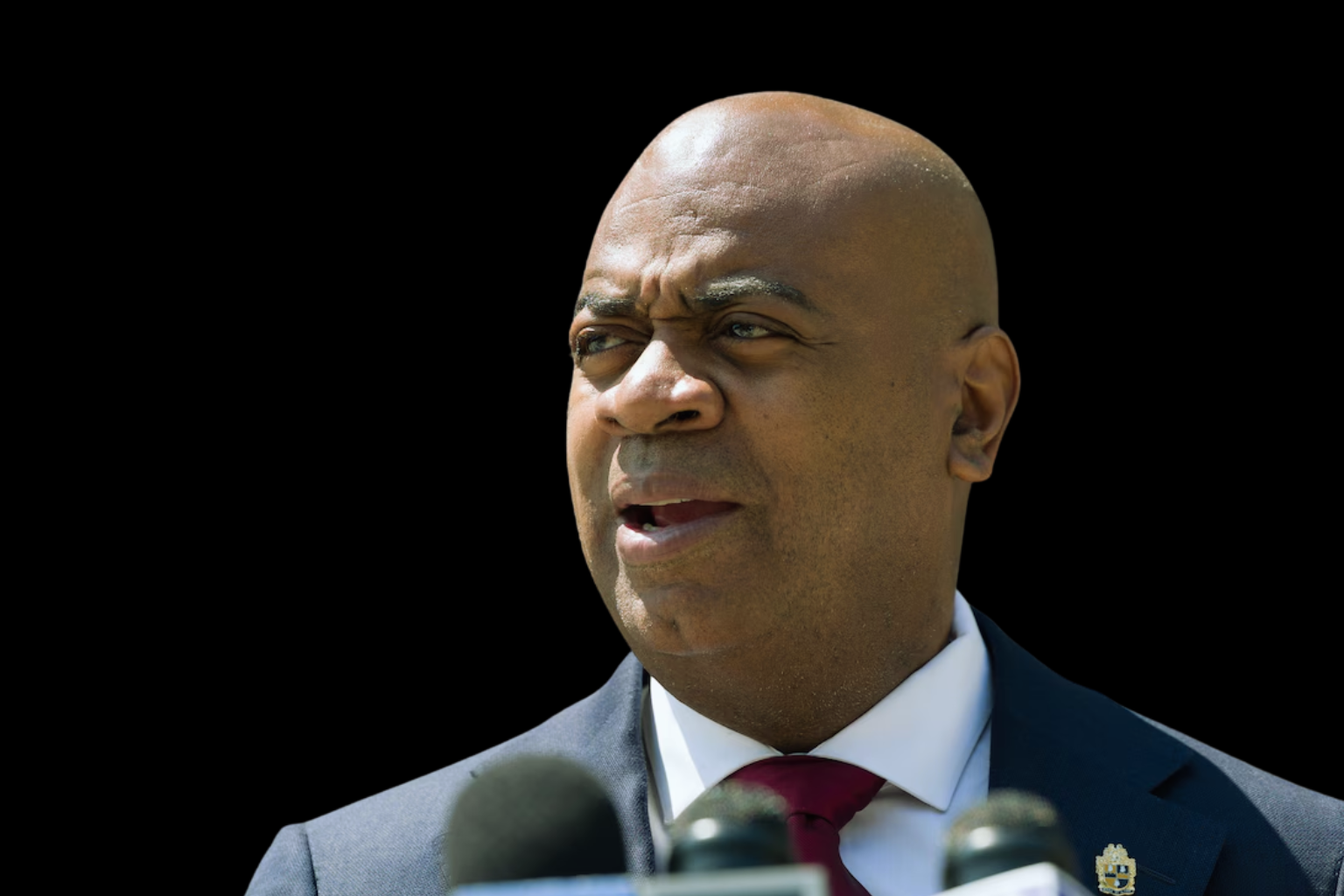
Anti-Establishment Pair Shake Up New Jersey’s Politics with Upset Victory

Housing policy specialist Katie Brennan and Hoboken Mayor Ravi Bhalla won their first political race in a party elite and machine politics-dominated New Jersey district. That they won one of the state’s most contentious Assembly races suggests reform-minded representation above party supremacy.
Brennan and Bhalla defeated establishment-backed candidates in Jersey City and the 32nd Assembly District in the state’s largest county. After major election reforms, including the elimination of the county-line ballot system, favored candidates were placed prominently for years. That change sparked new voices and insurgencies.
Brennan advocated for rent-control, tenant protections, and affordable housing. Due to crumbling infrastructure and high travel costs for working families, she prioritized transportation investment. “Our transit systems are falling apart and working families are getting squeezed,” she said, pushing for reform. Bhalla offered Hoboken and Jersey City new energy and governance.
Their win goes beyond a district and shows that people want responsible, open, and change-oriented politicians. Brennan said, “We heard loud and clear that people want representatives who will fight for them — not more of the same machine politics that created the problems we’re trying to fix,” highlighting grassroots support.
Political scholars say the reform-oriented win signifies New Jersey political culture trends. After decades of local and county party apparatus, the county-line ballot system’s repeal gave outsiders and reformers power. That has emboldened independents and weakened party bosses.
Brennan-Bhalla’s win may impact NJ races. Reformers may win all 80 state Assembly seats this year. Even while Democrats control the chamber, insurgent campaigns signal future battles may be less predictable and less machine-dominated. It’s unclear how the new legislators will behave or implement reforms.
Brennan and Bhalla must first meet voters’ high standards. They must meet lofty housing affordability, transit investment, and government access targets. Grassroots passion and reform may change New Jersey politics if they win.
New Jerseyans will witness newly elected legislators overcome institutional impediments, fiscal restraints, and entrenched interests as the state transforms. Their performance could make this election a turning point or anomaly in New Jersey politics.
Sources
NJISJ analysis of New Jersey machine politics and the “county-line” ballot system.
Rutgers Bloustein School commentary on ballot design and political reform in New Jersey.