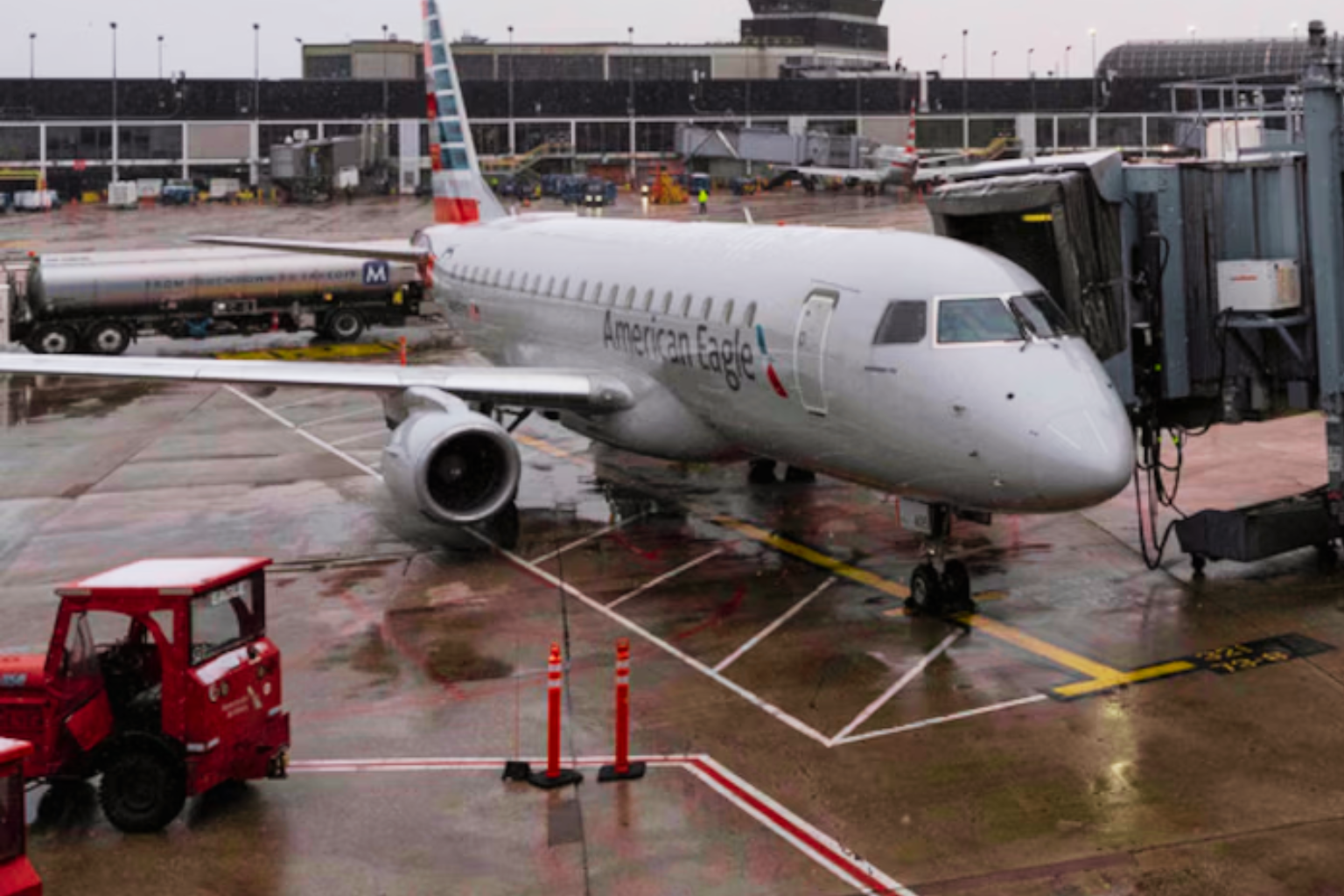
World Cup Transit Pricing Plan Raises Concerns Over Cost Burden and Daily Commuter Disruption in New Jersey
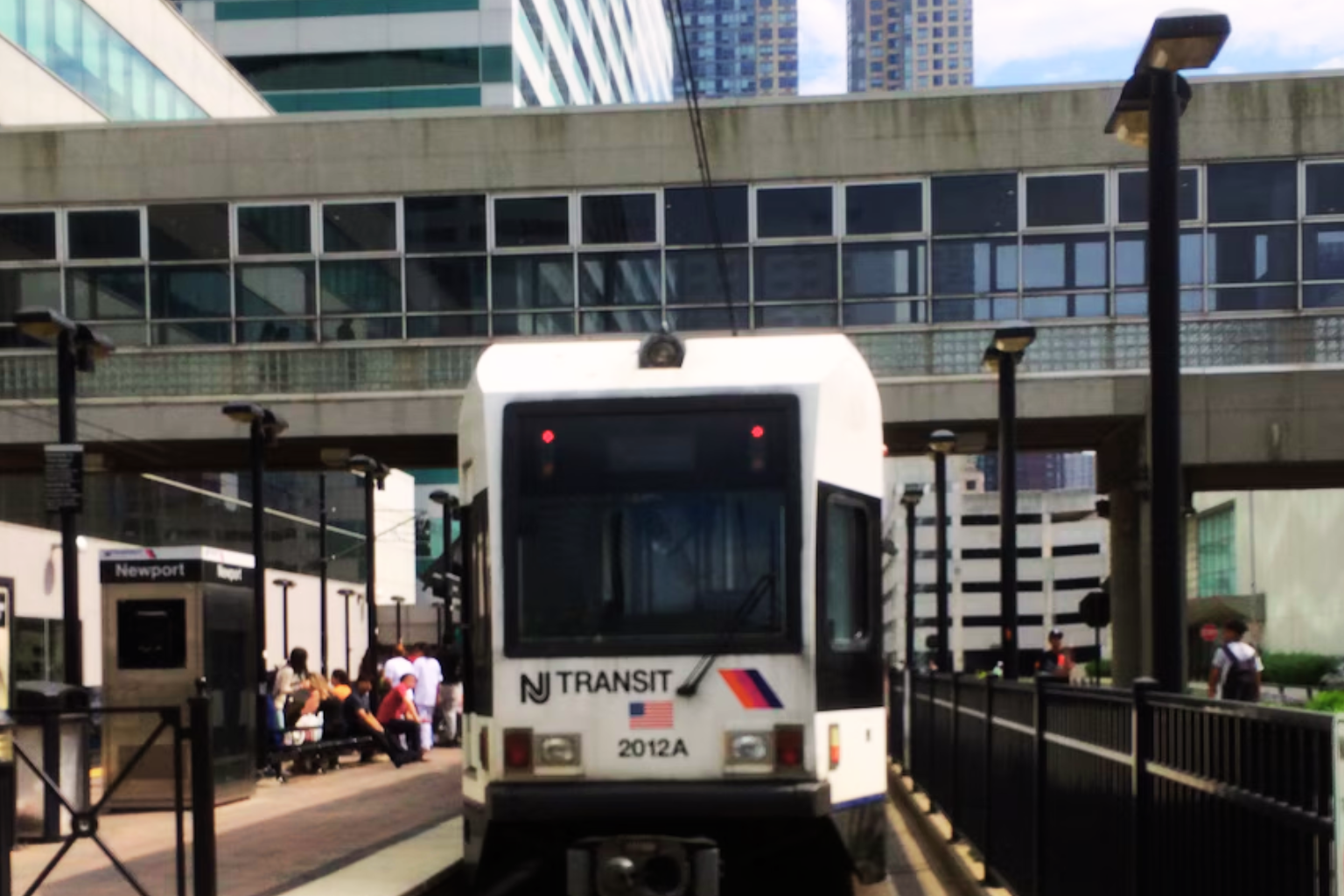
Plans for transporting tens of thousands of fans to MetLife Stadium during the upcoming World Cup have sparked widespread discussion across New Jersey and New York, with attention focused on high travel costs, commuter inconvenience, and how the financial burden of the mega event should be shared.
According to the transportation strategy developed by NJ Transit in coordination with the New York–New Jersey host committee, around 78,000 people will need to be moved each day for eight scheduled matches in June. To manage this large-scale movement and cover operational expenses, NJ Transit has proposed charging approximately 150 dollars for round-trip train service to the stadium, while a separate shuttle service from Manhattan is expected to cost around 80 dollars per person.
The pricing model has quickly become a central point of debate. Many residents, transportation experts, and policymakers are questioning whether such costs will discourage fans from using public transit and instead push them toward personal vehicles, potentially increasing congestion around already busy routes and stadium access points.
State officials have also entered the discussion, highlighting the financial strain on public transportation systems. New Jersey leaders, including Governor Mikie Sherrill and members of the state legislature, have argued that FIFA, which is projected to earn significant revenue from the tournament, should contribute toward the estimated 48 million dollar transportation cost instead of placing the burden on commuters and taxpayers.
Lawmakers have emphasized that World Cup security requirements will restrict normal parking access near MetLife Stadium, making mass transit the primary option for most attendees. They argue that this dependency on public transportation creates additional pressure on NJ Transit, which already serves daily commuters across the region.
NJ Transit leadership has defended the pricing structure, explaining that the fare system is designed to recover operational costs associated with running special event services. Officials estimate that each match could generate around 6 million dollars in revenue, helping offset overall expenses. A portion of the funding has also been reduced through federal support and contributions from the host committee, but a significant gap still remains.
Despite these justifications, transportation advocates and policy observers have raised concerns about affordability. Some have pointed out that the combined cost of train or shuttle travel could make attending matches extremely expensive for families. For a group of four, transportation alone could exceed 500 dollars, not including ticket prices, food, or accommodation.
Critics also warn that high fares may lead to unintended consequences for daily commuters. Two World Cup match days will overlap with peak travel hours, particularly affecting Penn Station in New York, where parts of the station are expected to be restricted for event-related passenger flow management. This could create delays and overcrowding for regular rail users who rely on NJ Transit for work travel.
Experts in event planning note that large international tournaments often require complex transport systems, especially when venues host tens of thousands of fans under strict security conditions. However, they also point out that pricing strategies in other host cities have generally avoided steep surcharges, raising questions about whether the current model may reduce public accessibility.
Some transportation analysts believe that high costs could discourage the use of trains altogether, increasing reliance on cars and ride-sharing services. This shift could place additional pressure on road networks such as Routes 3 and 495, which already experience heavy traffic during peak hours.
Commuters themselves have expressed mixed reactions. While some acknowledge the logistical challenge of hosting a global sporting event, others worry about overcrowded trains, delayed services, and reduced reliability during an already busy travel season.
The debate has also extended to broader questions about how mega sporting events are funded in the United States. Supporters of the current plan argue that user-based pricing ensures taxpayers are not unfairly burdened. Opponents counter that public transportation should remain affordable and accessible, especially when it is being used as a key infrastructure component for an international event.
As preparations continue, both transportation authorities and event organizers have encouraged flexible work arrangements where possible to reduce commuter pressure during match days. However, officials acknowledge that remote work is not an option for many workers in sectors such as retail, healthcare, and hospitality.
While the transportation plan aims to balance security, revenue recovery, and crowd management, it has clearly sparked a wider debate about fairness, affordability, and the long-term impact on daily commuters in the region.
Sources:
NJ Transit official statements, New York–New Jersey Host Committee communications, FIFA official statements, New Jersey State Legislature remarks, transportation policy analysts and commuter advocacy organizations.