
Trump’s Easter Statement Sparks Political Firestorm and Questions Over Presidential Conduct
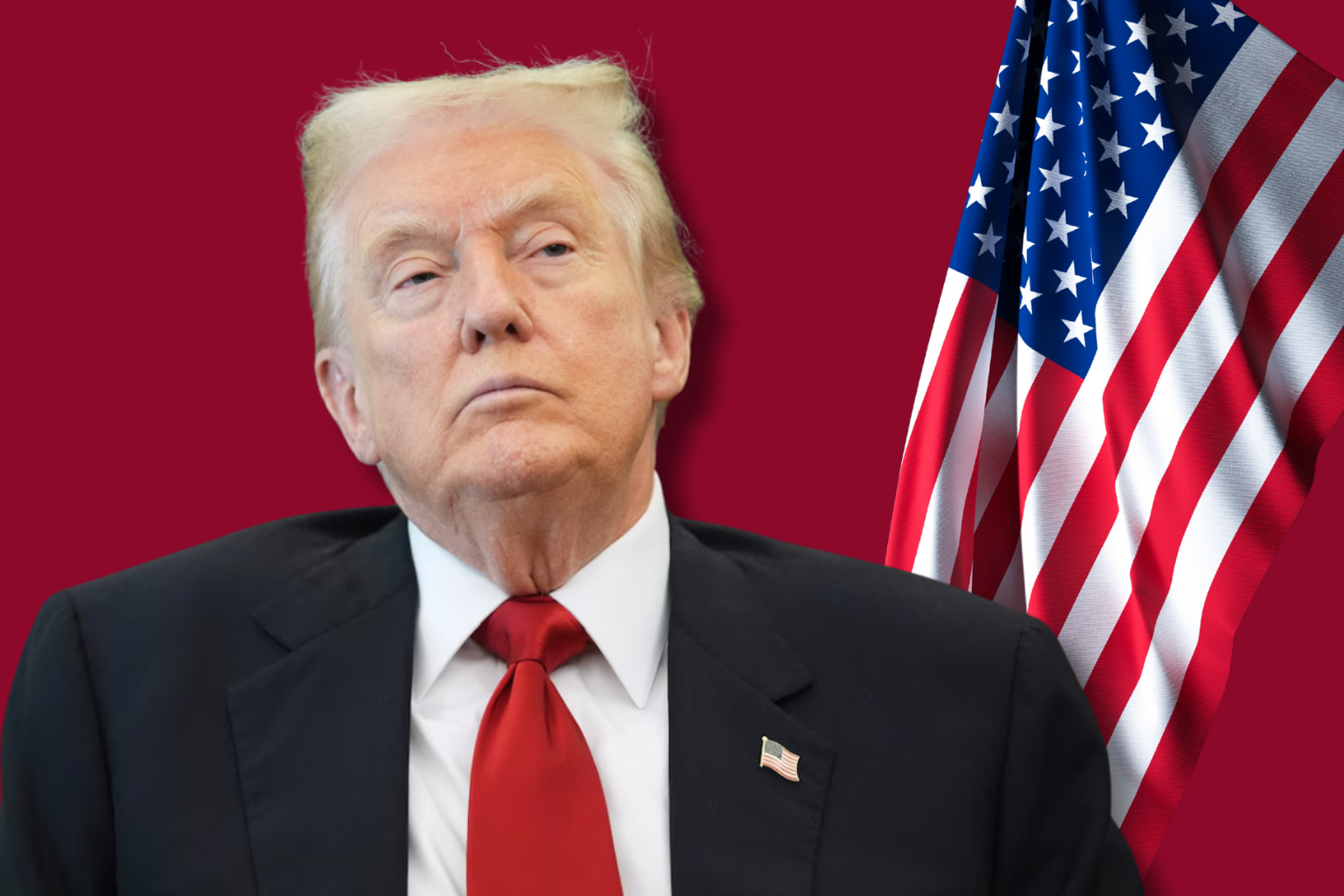
A controversial Easter message posted by Donald Trump has triggered a wave of sharp criticism across the political spectrum, with several prominent Democrats and public figures questioning his fitness for office and calling for immediate constitutional action.
The message, which included explicit language and aggressive remarks directed at Iran, was shared on a day when millions of Christians around the world were observing Easter. The tone and wording of the statement quickly drew attention, not only because of its content but also because of the timing, which many critics viewed as inappropriate for a religious holiday centered on peace and reflection.
In response, multiple Democratic leaders voiced serious concerns. Chris Murphy described the remarks as deeply alarming, suggesting that members of the president’s Cabinet should consider invoking the 25th Amendment, which allows for the removal of a president deemed unable to perform their duties. His comments reflected a broader concern among critics who believe the statement signals instability at the highest level of government.
Similarly, Yassamin Ansari pointed to the constitutional provision as a necessary safeguard, emphasizing that such mechanisms exist specifically for moments of perceived crisis. Other political voices echoed these concerns, with some going further in their criticism.
Bernie Sanders characterized the message as dangerous and unbalanced, urging Congress to take swift action, particularly in light of rising tensions involving Iran. Patty Murray also raised concerns about the potential implications of the president’s language, warning that such rhetoric could be interpreted as threatening serious international consequences, including possible violations of global norms.
Adding to the criticism, Hakeem Jeffries called the message unacceptable and troubling, suggesting it reflects deeper issues that should not be ignored. Former lawmaker Joe Walsh also weighed in, noting the contrast between the tone of the message and the spirit of Easter, while calling for urgent constitutional review.
Beyond individual reactions, the controversy is unfolding against the backdrop of escalating geopolitical tensions. The United States and Israel launched military operations against Iran in late February, with the stated goal of preventing nuclear development. Since then, the situation has intensified, particularly after Iran restricted access through the Strait of Hormuz, a critical global oil route. This move has had immediate economic consequences, including rising fuel prices worldwide.
Iranian officials have also responded strongly to recent U.S. rhetoric. The country’s parliamentary leadership described the threats as reckless, further escalating diplomatic strain between the nations.
Domestically, public reaction has been mixed but increasingly concerned. Rising energy costs and fears of prolonged conflict are adding pressure on policymakers, while debates over presidential conduct and accountability continue to dominate political discourse.
The situation remains fluid, with no clear timeline for de-escalation in the region. Meanwhile, calls for action within the U.S. government are growing louder, reflecting deep divisions over leadership, foreign policy, and the standards expected from the nation’s highest office.
Sources
The Associated Press
Official statements from U.S. lawmakers (Senate and House offices)
Public communications and posts from verified political figures