Little-Known Respiratory Virus Sees Noticeable Rise in New Jersey as Health Officials Track Cases
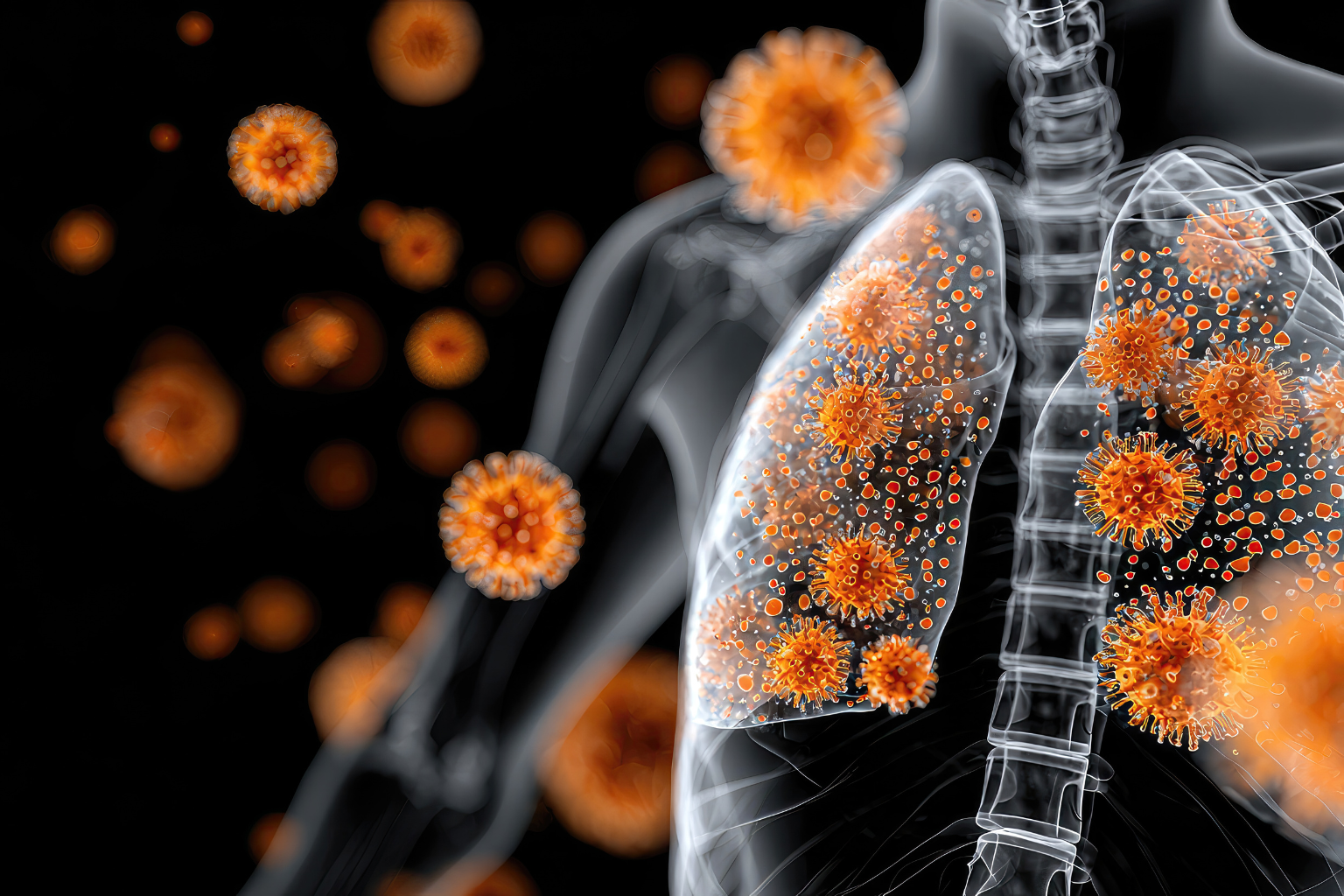
In New Jersey and throughout the United States, a respiratory disease that many people are unaware of is subtly on the rise. According to health professionals, the virus known as human metapneumovirus is now causing an increasing percentage of respiratory infections and may be the cause of symptoms that many people mistakenly believe to be the result of a regular cold or seasonal flu.
Human metapneumovirus, often known as HMPV, has been rapidly increasing since the fall of 2025, according to recent surveillance data from U.S. public health agencies. Over 5% of all positive respiratory virus tests nationally during the week of March 1–7 were caused by the virus. According to health monitoring data, HMPV accounted for little over 2% of weekly positive respiratory virus test findings in New Jersey during that time.
Medical professionals stress that the virus is not a novel illness, despite the fact that many people may not be familiar with it. Since its discovery in 2001, the human metapneumovirus has been spreading around the world. According to medical professionals, the disease shares certain similarities with other respiratory viruses that impact the lungs and airways.
The symptoms of an HMPV infection may match those of a cold or mild flu. Coughing, fever, runny nose, and dyspnea are typical symptoms. Many people may be unaware that they have this specific virus because the symptoms are similar to those of other respiratory conditions.
The majority of cases are still moderate and manageable at home. Most people recover without requiring hospital care, according to medical specialists. Drinking lots of water, taking over-the-counter medication to lower fever, and getting adequate sleep until symptoms improve and the fever has subsided for at least 24 hours are typical basic care suggestions.
The sickness can nevertheless interfere with daily activities even if it is typically minor. Approximately 27% of individuals with human metapneumovirus missed work, school, or childcare activities due to the illness, according to a study looking at infections between June 2022 and March 2024. This demonstrates how even very small respiratory infections can interfere with family and working routines.
However, the illness may worsen in some situations. Health professionals caution that symptoms could get worse and lead to consequences like pneumonia, bronchitis, middle ear infections, or flare-ups of asthma. Some populations are more likely to experience serious sickness.
Among the most vulnerable are infants and extremely young children. Bronchiolitis, a lower respiratory illness that damages the lungs’ tiny airways, can strike infants younger than six months of age. Some babies may need hospital care to help support their breathing when this occurs.
Higher-risk populations also include older folks and those with compromised immune systems. Respiratory infections can worsen and cause more severe health issues in these people.
Human metapneumovirus primarily spreads through intimate human contact, just like many other respiratory viruses. When an infected individual coughs or sneezes, respiratory droplets are discharged, which can spread the virus. Additionally, it can spread when a person touches their mouth, nose, or eyes after coming into contact with contaminated surfaces.
As a result, basic hygiene measures continue to be among the best strategies to stop the spread of infection, according to medical experts. Transmission can be decreased by cleaning regularly touched surfaces, washing your hands frequently, and avoiding close contact with ill people.
Additionally, parents are advised to keep ill children at home instead of sending them to daycare or school while they are exhibiting symptoms. It is recommended that sick adults stay home from work until they feel better. Those who are more susceptible, especially those with compromised immune systems, may benefit from wearing a face mask when experiencing respiratory symptoms.
There is now no specific antibiotic treatment for the human metapneumovirus, nor is there a vaccination to prevent it. Antibiotics do not treat viral diseases like HMPV since they are primarily effective against bacterial infections.
Health professionals emphasize that the public does not need to fear, even though the increase in instances is worth keeping an eye on. The most effective strategies to stop the spread of respiratory infections at this time of year are still awareness, proper cleanliness, and remaining at home when ill.
As seasonal infections spread through communities, public health experts continue to closely monitor respiratory virus trends. Doctors will continue to keep an eye on the virus’s spread and whether the number of patients is increasing as testing results change over the next few weeks.
Most people may reduce the severity of their sickness and the spread of infection in their homes, businesses, and schools by identifying symptoms early and following basic precautions.
Sources
Centers for Disease Control and Prevention (CDC)
New Jersey Respiratory Illness Surveillance Dashboard
Medical experts from Cooperman Barnabas Medical Center in Livingston, New Jersey