
Can New Jersey’s Governor Block the Planned ICE Detention Center in Roxbury?
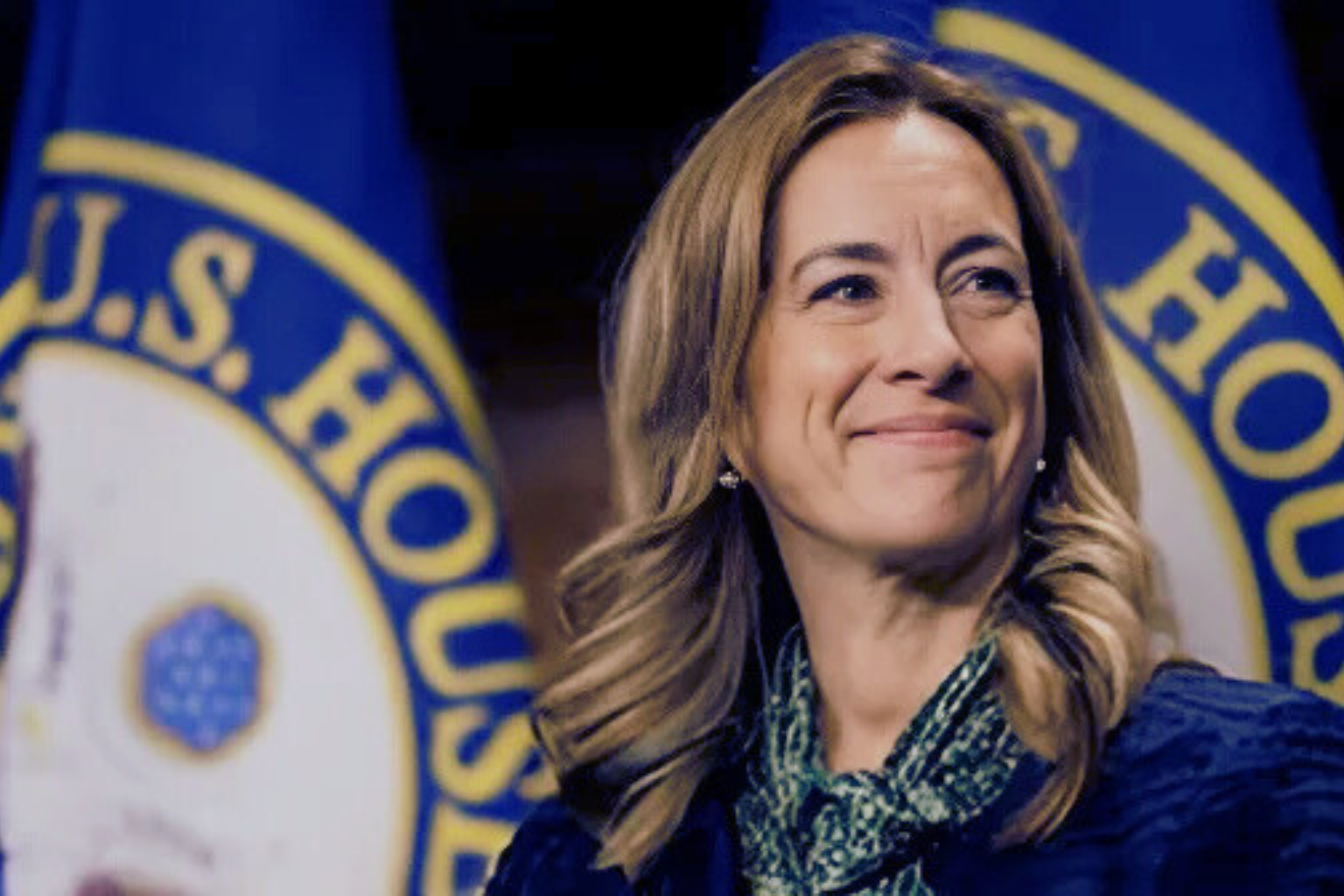
Roxbury’s proposed federal immigration detention facility is causing political and legal turmoil in New Jersey. As local demonstrations develop and questions arise over whether the state can halt a federally operated Immigration and Customs Enforcement center, Governor Mikie Sherrill faces a critical test.
Roxbury Township’s planned ICE detention facility is the issue. Residents met outside the planned site last month to discuss immigration enforcement procedures and the facility’s impact on the town. The rally mirrors national concerns over Trump administration immigration enforcement and state responses.
Governor Sherrill, who is new to office, is under pressure from advocacy groups and local citizens to stop the project. Does a state governor have the legal authority to block a federal detention center?
Federal authorities enforce immigration. Immigration and Customs Enforcement, part of the Department of Homeland Security, manages detention nationwide. Federal agencies usually control immigration-related facilities under federal contracts or ownership. State officials may not have direct influence over whether such a facility opens.
Governors can indirectly affect matters. Local permits, environmental approvals, and state rules may be reviewed by state leaders. State control may be needed if the detention center needs local zoning amendments or must meet state safety or environmental standards. Blocking a federal immigration facility could be legally difficult and contested.
Roxbury is about more than legal authority. It’s political. Immigration remains a hot political topic in America. The Trump administration prioritizes immigration enforcement, particularly detention capacity. Detention facilities are needed to handle immigration cases and uphold federal law, say supporters. Such centers create humanitarian and civil rights concerns and burden local communities, say critics.
Roxbury protesters worry about the facility’s social and economic consequences. Some residents fear for neighborhood safety and property values, while others oppose ICE’s immigration enforcement policies. Federal enforcement advocates say immigration law must be enforced uniformly throughout states.
Gov. Sherrill’s response may mold her early political image. Her leadership style may depend on how she balances federal and state issues as a new governor. She may face legal trouble if she directly challenges the federal authorities. If she is careful, detractors may say she is not representing concerned residents enough.
The issue also shows the complicated state-federal connection. Immigration policy is mostly federal under the Constitution. States cannot develop immigration schemes that violate federal law. States often implement legislation that influence local authorities’ cooperation with federal immigration enforcement, causing tension and political discussion.
Roxbury’s proposed ICE detention facility is a topic of debate. Community protests have garnered attention, but no resolution has been announced. Legal authorities, regulatory processes, and court actions will determine project halt or continuation.
For New Jerseyans, this goes beyond one building. Immigration policy, state rights, federal power, and local issues are covered. An early and substantial problem for Governor Sherrill, it could impact public view of her government in the months ahead.
The Roxbury ICE facility’s fate will depend on state action, federal authority, or court processes in the following weeks. The argument reflected the national immigration enforcement issue and Washington-state power balance till then.
Sources
U.S. Immigration and Customs Enforcement
U.S. Department of Homeland Security
Office of the Governor of New Jersey