New Jersey Faces Ongoing Drought as Snowfall Fails to Refill Shrinking Water Supplies
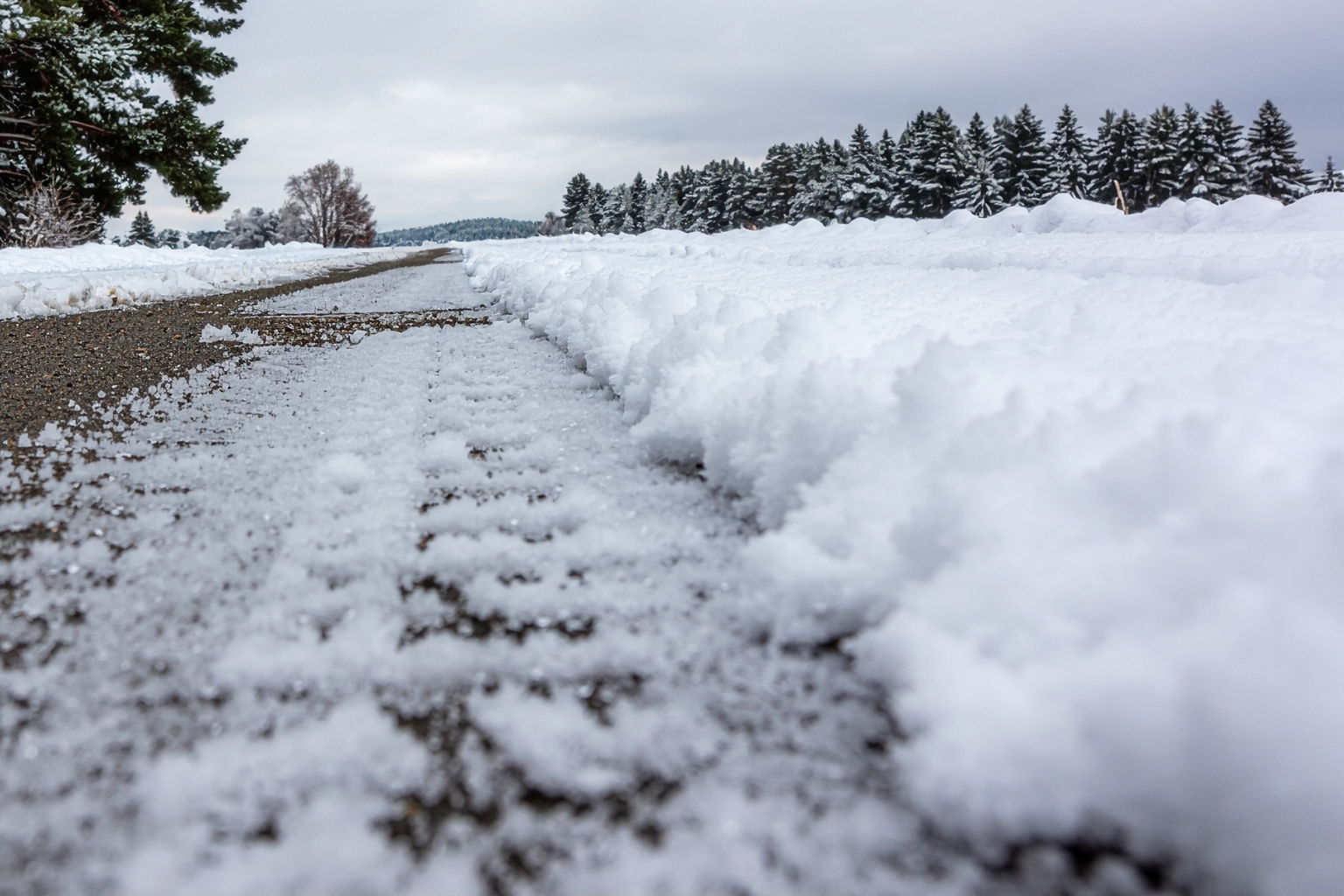
This winter has brought repeated snowfall to New Jersey, but warmer temperatures are melting it. Despite the weather shift, the state remains under a drought alert, and officials are worried about water resources.
The snow may appear hopeful, but the Garden State’s underlying water problem remains. According to the latest New Jersey Department of Environmental Protection data, reservoir levels remain stressed. These massive constructed lakes supply millions of people with drinking water, and their current state shows the severity of the crisis.
Experts recommend gradually melting snow to refill reservoirs and groundwater. A gradual thaw lets water sink into the ground and flow into rivers and reservoirs. If temperatures rise too quickly, meltwater can discharge before it can be caught. This would reduce the advantage of the recent snowfall and increase short-term flooding without enhancing water storage.
Even after weeks of winter rain, the drought warning continues. That indication indicates limited water supplies that need close monitoring. Snowfall alone does not end drought, state officials say. Most important is how much water stays in reservoirs and groundwater systems.
Recently released reservoir data reveals storage levels below seasonal normal. These reservoirs ensure state-wide drinking water, agricultural, and environmental balance. Declining levels can strain people, companies, and ecosystems that depend on water.
Water managers closely monitor temperature and snowmelt. Reservoirs recover best with a balanced melt over several weeks. Weather can change quickly, and warmer spells may increase melting before the water is absorbed.
The drought alert reminds locals that winter snow does not erase months of dry conditions. Dry weather depends on long-term precipitation trends and storage data, even in colder months.
How and when precipitation enters the system affects water supply stability, not just how much falls. Snowfall may help if nature allows a slow thaw.
State officials remain vigilant and update situations when new data becomes available. Despite the winter, New Jersey’s drought warning will stay until reservoir levels increase.
Sources:
New Jersey Department of Environmental Protection
New Jersey State Drought Information Updates