Heavy Spending Backfires? How a High-Profile Primary Battle Reshaped New Jersey’s Democratic Race
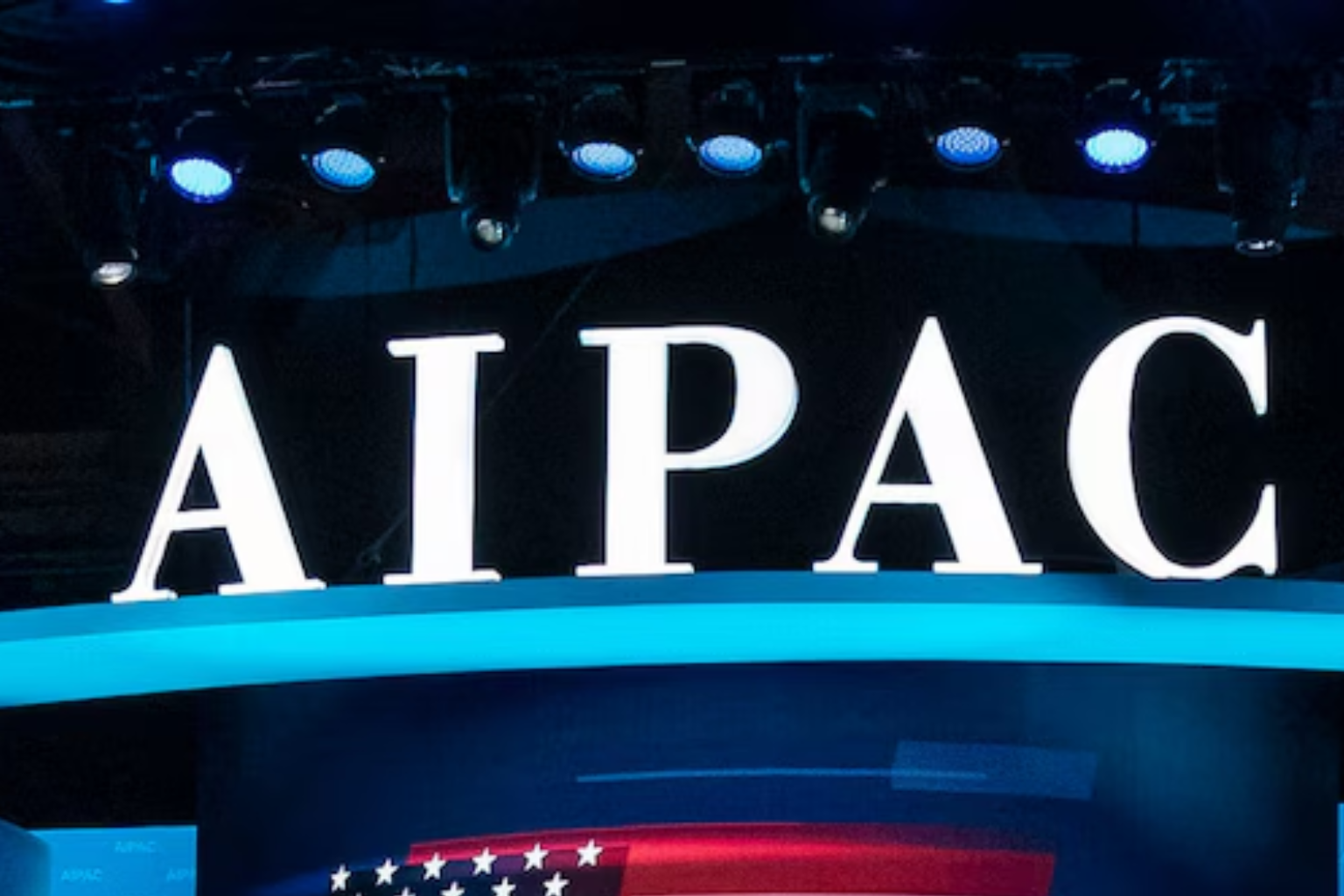
Strategy, impact, and unforeseen effects were taught in a carefully observed New Jersey Democratic primary. A powerful pro-Israel lobbying group’s high-stakes challenge to a candidate’s policy stance may have changed the race.
A major aspect of the special Democratic primary to replace Governor Mikie Sherrill’s congressional seat was outside political funding. The political arm of the American Israel Public Affairs Committee spent at least $2.3 million opposing former U.S. Rep. Tom Malinowski. Negative TV ads, direct mail, and voter outreach were funded.
Campaign finance forms showed the spending largely criticizing Malinowski’s record. Israel policy was not addressed in the commercials. Instead, they highlighted his stock trading and Immigration and Customs Enforcement spending votes in Congress.
Malinowski supported a Jewish state but wanted U.S. funding to be conditional. Political observers think that approach may have prompted pro-Israel campaigners to support the Israeli government unconditionally to react aggressively.
People were astonished by the result. Heavy spending looks to have allowed a leftist candidate to win the primary. Progressive left-wing Democratic Party leader Analilia Mejia won a competitive field of 11 candidates.
Some have called Mejia, a former Bernie Sanders political director, a democratic socialist contender like Zohran Mamdani, the mayor of New York City. Mejia was the only candidate forum member who supported human rights groups’ claim of Gaza genocide, which Israel denies.
The debate stems from Hamas’ Oct. 7, 2023, onslaught on Israel that killed 1,200 people and sparked a terrible Gaza conflict.
New Jersey politicians reacted sharply to the primary results. Former President George W. Bush’s EPA regional administrator Alan Steinberg termed the policy a tremendous mistake. He has long backed AIPAC and thinks Israel a crucial issue, but he claimed the group underestimated progressives’ growing power in the Democratic Party.
Benjamin G. Kelsen, a New Jersey rabbi and attorney who respected AIPAC’s history, said the group’s move from education-based advocacy to direct electoral engagement had transformed its perception. Transparent campaign finance reporting lets voters see where financing comes from, which may affect outside spending.
After losing the contest, Malinowski recognized the commercials’ significance. He claimed voters asked him in the last days of the campaign if he backed MAGA or aggressive immigration enforcement, which he emphatically denied. He claimed the advertising confused voters.
Dan Cassino, executive director of the FDU Poll and professor of government and politics at Fairleigh Dickinson University, said the late jump in Election Day votes compared to early vote-by-mail numbers certainly reflected the negative advertising campaign. Early mail-in ballots favored Malinowski, but Election Day turnout changed it.
Cassino stated that the plan defeated Malinowski but did not achieve AIPAC’s desired objective. The spending may have boosted the progressive wing by removing a candidate it supported.
One Democratic aide familiar with state politics, who requested anonymity due to the sensitivity of the matter, called the plan a major mistake. He claimed the group overestimated Mejia’s support due to a huge candidate field and poor February primary attendance. He believed targeting Malinowski instead of assessing the electoral math risked yielding a different result than the organization wanted.
If AIPAC regretted its race involvement, it didn’t say. A spokesperson said the organization will support candidates from both parties who favor a strong U.S.-Israel connection. United Democracy Project, its political arm, did not react to questions regarding the advertising campaign.
OpenSecrets data shows AIPAC contributed $2.6 million to New Jersey congressional elections across party lines in 2024. The group supported Malinowski before, showing how political alliances may change.
Primary results may affect future races. AIPAC’s involvement in New Jersey’s 12th Congressional District’s Democratic primary to replace retiring Rep. Bonnie Watson Coleman is being closely watched. In a prior congressional bid, AIPAC spent against Sue Altman.
Before the April special election to finish Sherrill’s term, Mejia is the frontrunner in the largely Democratic district. Her triumph shows that progressive New Jersey candidates can win despite heavy outside investment.
This campaign highlighted a nationwide Democratic Party debate about foreign policy, progressive action, and outside money in primaries. It also raises questions about how powerful political organizations assess risk in crowded elections.
The outcome of a struggle driven by strategy, ideology, and millions of dollars in spending indicates that political strength does not always guarantee success. For New Jersey voters, the primary may change how local and national forces influence congressional races.