As U.S. Protests Face Force, a New Jersey Thinker’s Century-Old Warning Feels Urgent Again
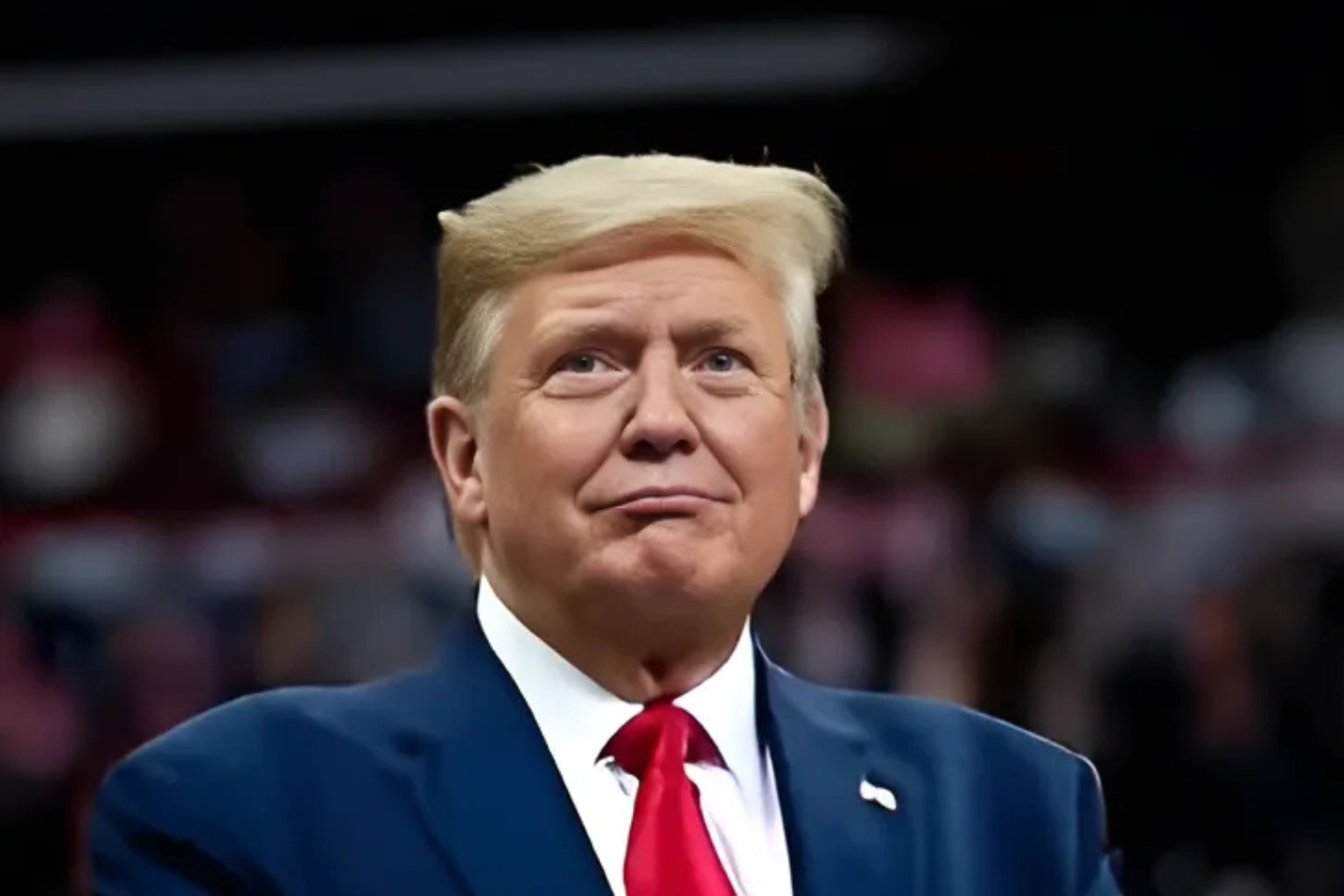
As President Donald Trump enters his second term, public anxiety grows about the escalating use of military-style force in civic life. Reports of troops suppressing protests in U.S. cities are raising national concerns about democratic stability. Criticism claims such operations violate constitutional boundaries and long-standing federal rules separating the military and civilian law enforcement.
Police and protestors have clashed in recent weeks, especially during immigration enforcement protests. This period saw some of the most aggressive responses to American citizens in decades, according to widely documented accounts. Two Americans were slain during Immigration and Customs Enforcement rallies, while several demonstrators were attacked or jailed. These events have reignited debates about civil liberties, peaceful protest, and state-citizen power.
Domestic policy problems are not the only ones. The administration’s muscular foreign policy has unnerved many. Many critics are frightened by reports of Venezuelan President Nicolás Maduro’s forced removal and U.S. control. Separately, NATO partners have moved soldiers to Greenland to discourage military action due to strong rhetoric about annexation. These local and international events have raised concerns of political force normalization.
Some scholars and activists are revisiting Randolph Bourne, a neglected New Jersey political thinker, to understand why these moments are so frightening to many Americans. Bourne was born in Bloomfield in 1886 with a handicap and was often ostracized from public life. He never ran for government or led rallies, but his writing about American militarism during WWI had a big impact.
Bourne saw how wartime fear weakened civil liberties. The federal government controlled speech, repressed opposition, and authorized law enforcement to monitor dissidents during World War I. Americans who opposed the war were arrested and monitored under the 1917 Espionage Act and 1918 Sedition Act. The federal government monitored Bourne as a threat to national allegiance.
In this period, resentment toward immigrants increased, which Bourne argued justified authoritarian actions. Politically motivated deportations increased, and dissenting voices could raise official suspicion. Bourne claimed that these approaches highlighted the state’s tendency toward centralized control and coercion, especially in crises.
Bourne famously warned that war increases the state at the expense of individual freedom, a lesson Americans often forget. Rather than focusing on a president’s personality, Bourne’s approach encouraged voters to analyze government structure. He felt democracy endures because of an engaged civil society that challenges the state.
Despite his severe criticism, Bourne believed in America’s future. He believed in the country’s diverse social fabric, which he called “trans-national” democracy. He believed immigrants and cultural heterogeneity protected against authoritarianism and uniformity. Healthy democracies relied on civic cooperation, not nationalism.
Today’s protesters, including immigration enforcement opponents, may not be explicitly referencing Bourne. Still, they follow his notion that civil freedoms require public engagement and resistance when power overreaches. Bourne’s century-old concerns are relevant in a bitterly divided America as militarization, protest, and national identity issues persist.
Sources
White House
U.S. Constitution
Immigration and Customs Enforcement
U.S. Department of Defense
NATO
Library of Congress
Federal Bureau of Investigation