New Jersey’s New Governor Signals No Tax Increases as Budget Cuts Come Into Focus
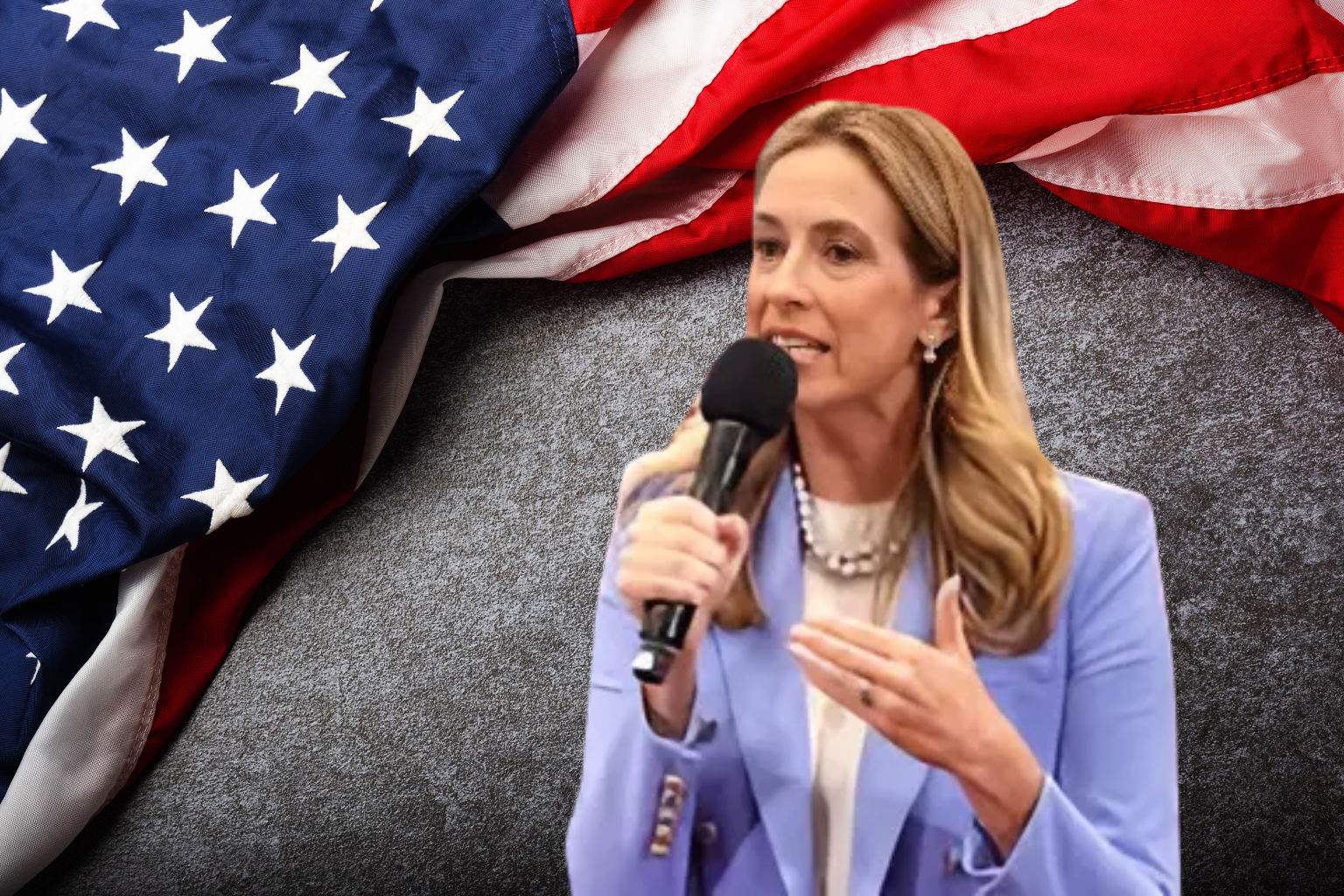
New Jersey Governor Mikie Sherrill has stated that raising taxes is not her top objective in her first state budget. Residents and businesses concerned about affordability applauded that move, but state lawmakers may face a challenging budget season.
As New Jersey’s budget surplus decreases, Acting State Treasurer Aaron Binder said Governor Sherrill has ruled out tax hikes in his Senate confirmation hearing. Binder predicted the administration would decrease expenditures to balance the state’s finances.
Next month comes the governor’s first budget address, so financial issues are heating up. The New Jersey Legislature must sign the budget by June 30, restricting negotiations.
Federal budget cuts may pressure state resources, worsening the issue. Binder said cost containment is vital as the administration begins the budget process with fewer fiscal cushions than before.
Binder stated that most state spending is on healthcare, education, and Stay NJ senior property tax reduction. Despite being major budget drivers, he did not say they will be cut. He suggests lawmakers may have to make tough decisions to save money without raising taxes.
The governor routinely links her no-tax-increase stance to her affordability initiative. Binder says the governor thinks raising taxes will hinder her objective of relieving New Jerseyans’ financial burden. This role shapes budget negotiations and changes the new administration’s budget plan.
One of Sherrill’s first policy challenges is the budget. The governor’s first budget normally outlines long-term goals and how the administration would work with lawmakers, labor groups, and business leaders. Sherrill faces more stakes because the state’s surplus is anticipated to decline.
Republicans are already seeking info. State Senator Mike Testa questioned how the government will close the budget gap without extra money, citing time constraints. Senate Judiciary Committee Democrats said they would wait for budget hearings before tackling the issue.
Governor Sherrill emphasized business collaboration after pledging it at a New Jersey Business & Industry Association policy meeting. Business leaders say stability is vital to economic growth and job retention, therefore the state should avoid tax increases.
The administration’s approach will certainly influence how New Jersey negotiates education financing, public employee pensions, property tax relief, and commercial incentives. Under the incoming governor, spending decisions will determine the state’s finances after tax increases are eliminated.
Sources
- New Jersey State Treasury
- Office of the Governor of New Jersey
- New Jersey State Legislature