New Jersey Drivers Face Ongoing Road Hazards as Ice Continues to Form
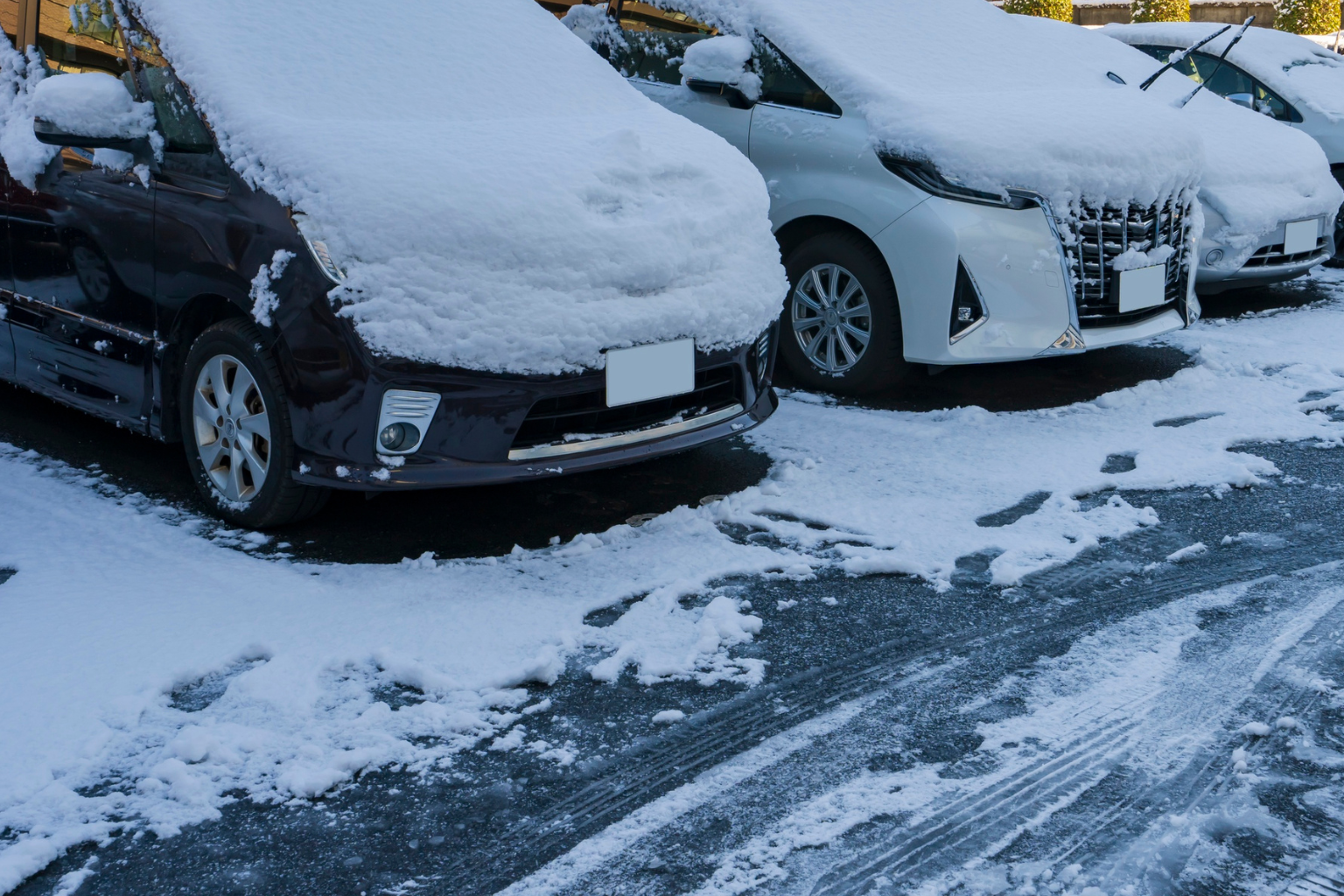
Daytime highs in New Jersey this week prompted hopes of a break from the cold. Warm air melted thick snow and ice on state streets after the January 25 winter storm. Drivers quickly realized the relaxation was short-lived.
Drivers constantly face road melting and refreezing. Daytime temperatures may rise, while nighttime temperatures may plummet to the 20s. This cycle of freezing and thawing makes road snow and ice treacherous. Untreated snow heaps and areas are harmful.
Black ice is harmful for drivers. Water freezing on the road generates a clear ice layer that combines with dark asphalt. Being hard to see, drivers may not detect it until it’s too late, increasing the risk of losing control. Ice can swiftly return and form a perilous layer, even if it melts during warmer hours, say meteorologists.
As New Jersey prepares for another cold wave, drivers could expect more ice for a few days. Numerous regions will have daytime highs in the teens or low 20s and nighttime lows in the single digits. Due of the melting-freezing cycle, unfixed streets and walks may remain dangerous for weeks.
State climatologists predict potholes around this period. Small or large potholes form when water freezes into road fractures. How often the temperature rises and falls above freezing over the next three days will determine how terrible the potholes are.
Be careful and adjust speed to road conditions. Shaded places are more likely to freeze, making short hikes perilous. The government advises drivers to avoid other cars and monitor local road conditions.
Potholes, melting snow, and re-freezing ice make New Jersey roads perilous despite brief warm weather. Winter dangers will persist for a few weeks, so drivers should be cautious.
Sources:
- National Weather Service, Mount Holly, NJ
- New Jersey State Climatologist, Rutgers University