New Jersey’s Deep Freeze Explained: What’s Driving the Bitter Cold and When Relief May Arrive
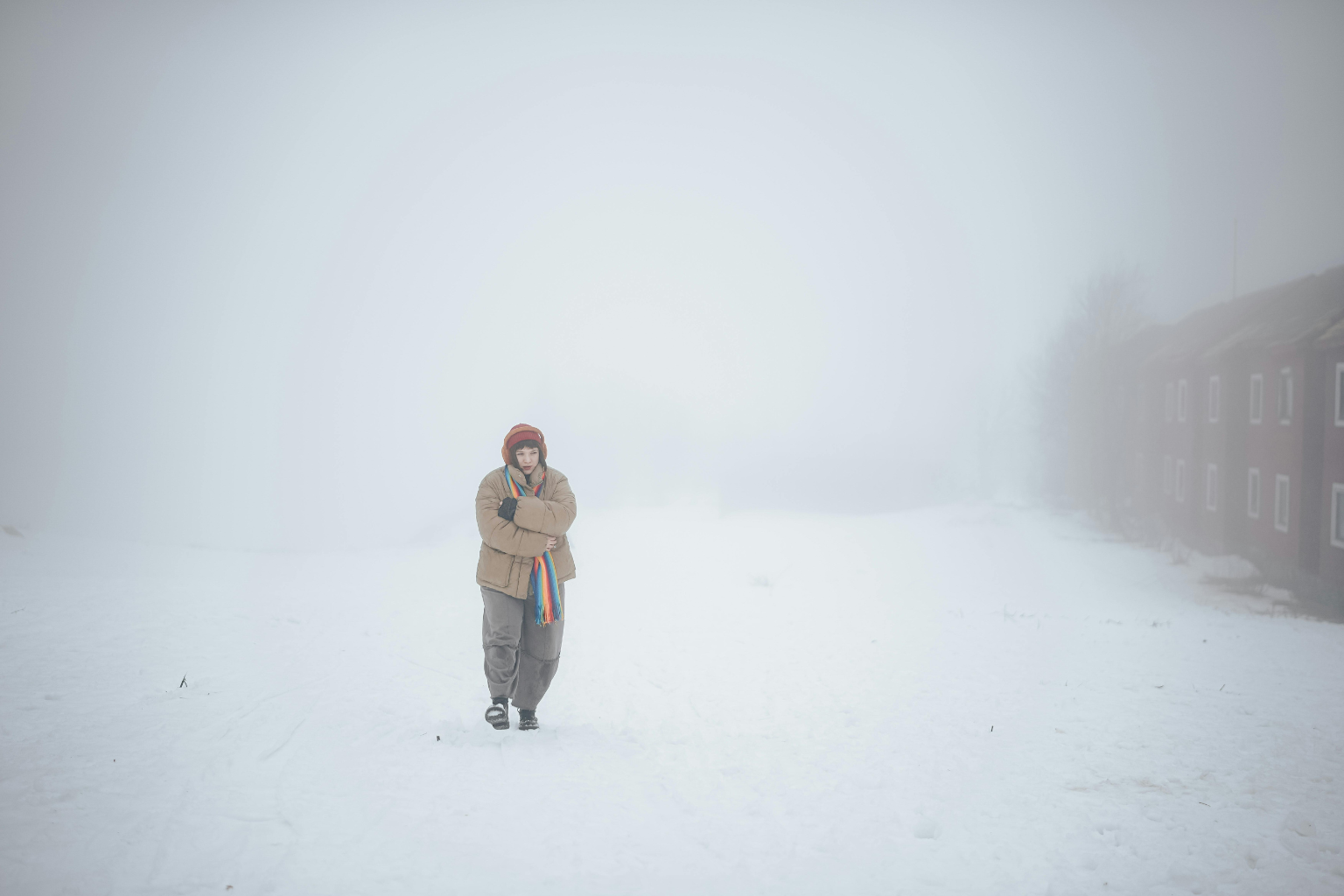
A brutal cold wave has forced New Jersey residents into survival mode. As temperatures plunged into the teens and single digits, residents across the state wrapped up, used space heaters, and limited outdoor time. For many, this stretch of weather feels harsh and stubborn, prompting the question: why is it so cold, and how long will it last?
Weather scientists blame a huge Arctic air mass that swept south from Canada and stretched throughout most of the US for this sustained chill. Polar vortex of cold air has settled over the region and is held in place by strong high-pressure systems. These systems are slow to shift, so cold air has little motive to go out, keeping temperatures chilly day after day.
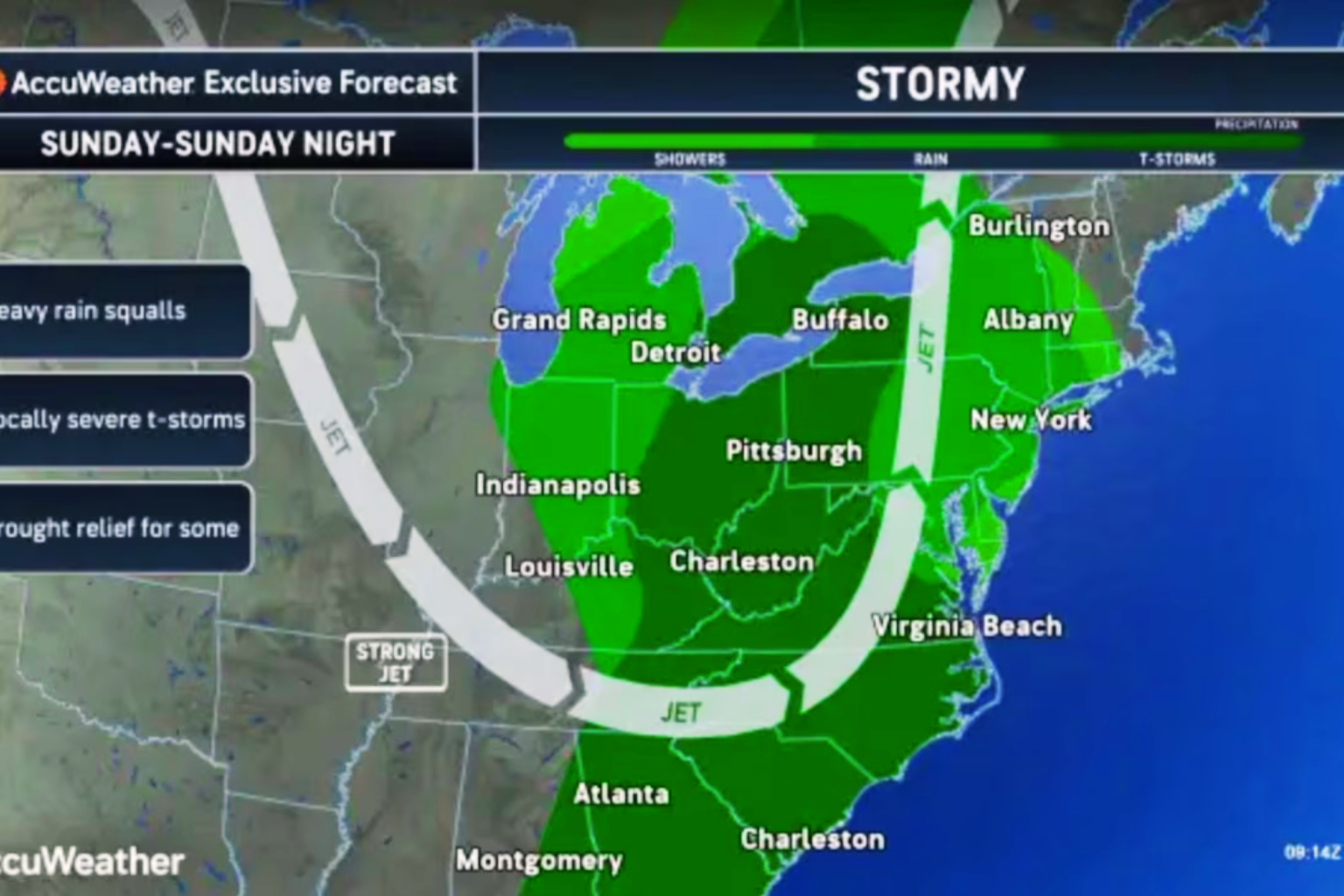
Normally, the polar vortex is far north toward the Arctic. It can drop south in winter due to atmospheric processes. The fast-moving polar jet stream high in the atmosphere is crucial to this process. When the jet stream bends or weakens, Arctic air can enter the Northeast, bringing sustained cold.
New Jersey climatologists say frigid winters are common, but their persistence has been hard to explain. Ocean temperature trends in the Pacific and Atlantic disturbances may encourage long-term cold. Scientists say this is still an active field of study, and no single theory explains why the pattern has persisted so well this winter.
Misunderstanding the effect of climate change in extreme cold episodes is common, therefore scientists advise caution. Weather is short-term, while climate is decades-long. Even an extremely cold winter does not contradict long-term warming trends. The polar vortex and jet stream may become more unstable due to global warming, according to some academics. As Arctic regions warm quicker than others, the distance between polar and mid-latitude temperatures may narrow, making cold air more easily displaced toward New Jersey.
In contrast to the eastern US, regions of the Arctic and Greenland have had warm winters. This contrast shows how global temperature trends can vary even throughout seasons.
So when might New Jersey get lucky? Early next week, temperatures may reach the mid-30s. That may seem tame compared to recent days, but it should be brief. Meteorologists expect the cold pattern to last until mid-February, keeping temperatures below normal. The extreme cold may ease, but a full warm-up is uncertain.
For now, residents should take cold-weather measures, especially overnight and during snowfall. While waiting for regular warmth may be difficult, experts say weather patterns change. Even though it feels far away this winter, relief will come.
Sources
National Weather Service
Rutgers University New Jersey State Climatology Office