Global Debate Grows Over 2026 World Cup as Political Tensions Spark Boycott Talk
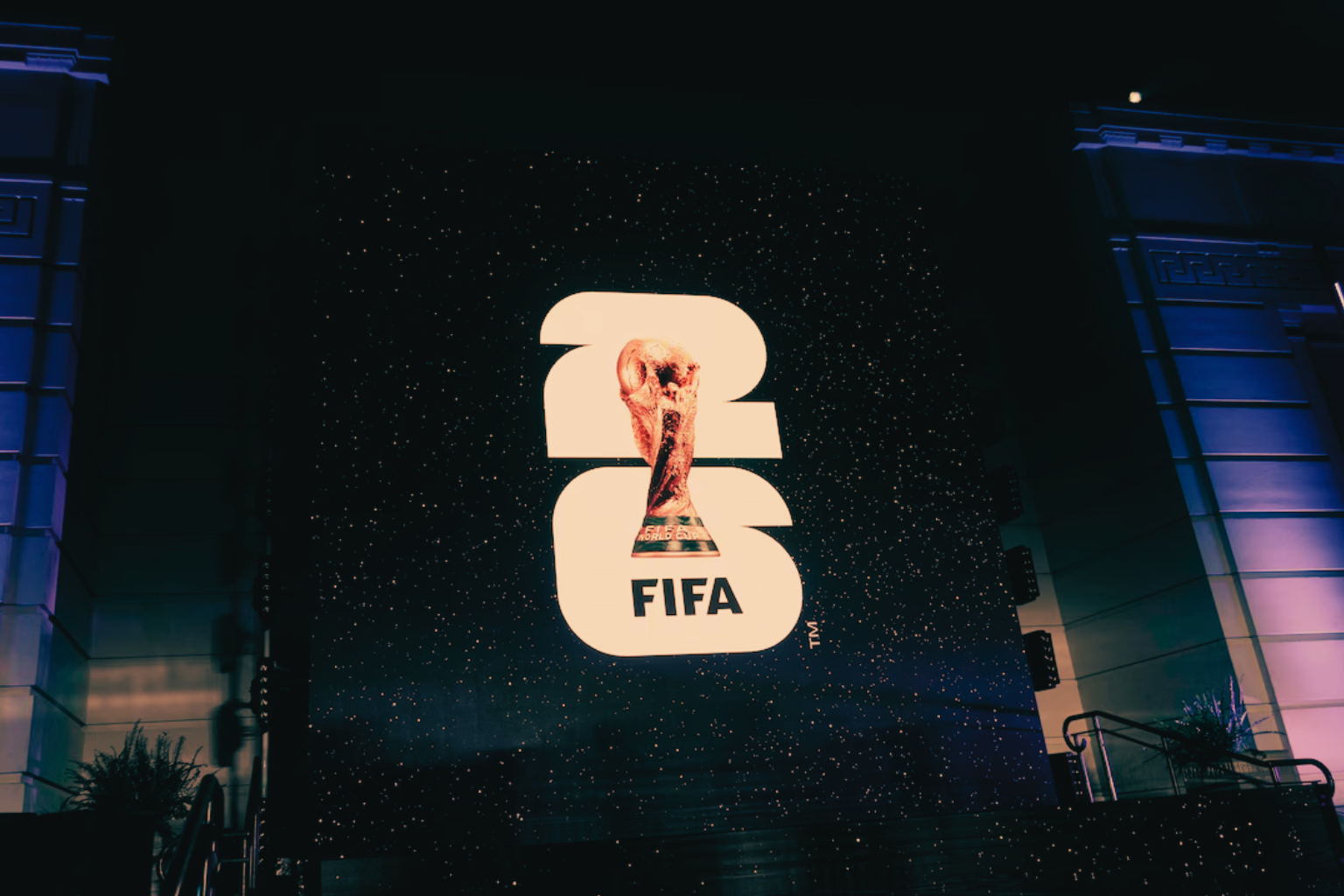
Famous footballers and politicians are questioning whether fans and teams should participate in the 2026 FIFA World Cup, which will be hosted by the US, Canada, and Mexico. The tournament is more than a year away, but calls for reconsideration and boycott are growing, especially in Europe.
Former FIFA President Sepp Blatter recommended football fans to plan their 2026 World Cup trip carefully. Blatter posted “only one piece of advice” concerning the competition on social media this week, expressing concern about the scenario. The World Cup will begin on June 11, 2026, and end on July 19 at MetLife Stadium in East Rutherford, New Jersey.
Blatter’s statements were in response to Swiss legal expert and anti-corruption lawyer Mark Pieth, who helped FIFA restructure after its decade-long corruption crisis. Pieth previously cautioned that US internal tensions could endanger foreign visitors. He notably mentioned immigration authorities’ handling of political opponents and ICE agent shooting, which have received condemnation. According to Pieth, these fears may deter foreign fans from visiting the country during the tournament.
Blatter said Pieth’s concerns merit evaluating whether the World Cup should be held in the US. Blatter’s extensive history with FIFA and worldwide football governance gives his views weight even if he no longer works for FIFA.
The conversation has surpassed specialists. Oke Göttlich, president of FC St. Pauli and vice president of the German Football Association, also advised European football authorities to skip the World Cup. Göttlich claimed that the current political climate is more dangerous than Cold War-era Olympic boycotts. Given recent political pronouncements by President Donald Trump against Greenland, a NATO partner, he stressed that the matter requires open discussion.
Politicians have joined the argument. According to British media, Conservative and Labour MPs have proposed a boycott. Piers Morgan suggested that some big European football nations may consider stopping their participation during US political and trade concerns.
Not all officials support combining politics and sport, despite mounting criticism. France’s Sports Minister, Marina Ferrari, said they won’t skip the tournament. She told reporters that she has heard pleas from political parties, but she feels sports events like the World Cup should remain distinct from politics. Ferrari stressed that the World Cup is important for football fans and athletes beyond politics.
As 2026 World Cup preparations proceed, the topic underscores a global debate over politics in international sports. While boycotts have not been officially decided, respected football, law, and political authorities have indicated that various countries are taking the problem seriously. Even as political issues continue to dominate the news, FIFA and host nations are focused on organizing one of the largest World Cups ever.
Sources:
FIFA
U.S. Immigration and Customs Enforcement (ICE)
French Ministry of Sports