Pickleball Boom Sparks Transformation in New Jersey’s Retail and Commercial Spaces
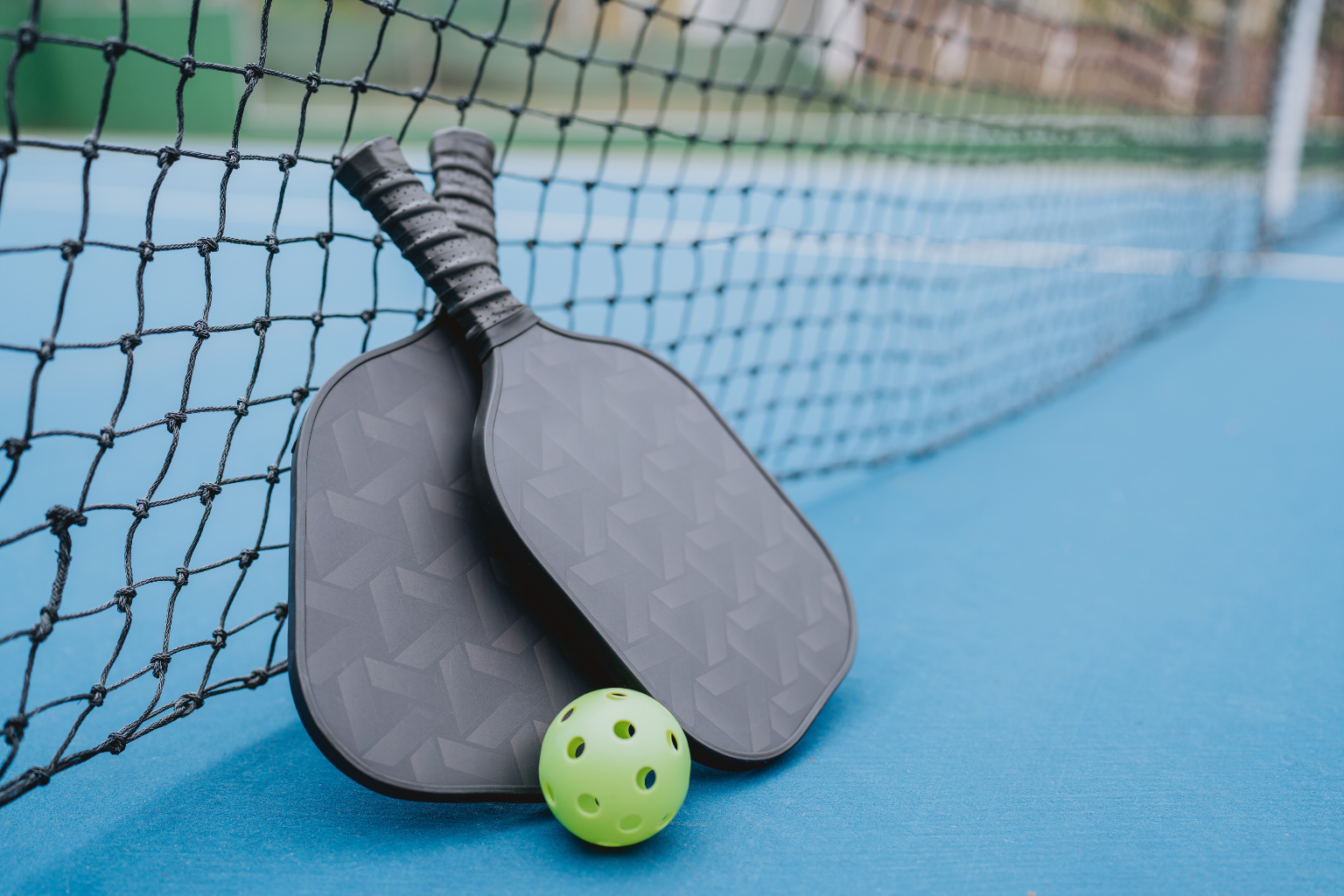
As indoor pickleball facilities proliferate across New Jersey, a post-pandemic fitness fad is changing the commercial real estate market. To accommodate demand for this fast-growing sport, derelict retail and industrial areas are being transformed.
According to industry experts, New Jersey has around 70 indoor pickleball centers as of 2025 and is growing. Pickleball courts are ideal for empty commercial centers and light industrial facilities, according to developers and real estate specialists. These amenities rejuvenate unused property and generate cash through membership and club play.
Tennis, badminton, and ping-pong hybrid pickleball is gaining popularity worldwide, and New Jersey is leading the way. The sport appeals to young folks seeking entertainment and senior participants wanting low-impact exercise. Because of its broad popularity, entrepreneurs and franchisers have invested in indoor facilities to bring constant foot circulation to idle locations.
In real estate, the trend is changing market dynamics. While industrial and warehouse landlords are exploring unprofitable conversion prospects, retail landlords are discovering new tenants prepared to pay for long-term leases. This move shows a unique method to counteract the general collapse of traditional retail venues, which struggled when the pandemic changed consumer behavior.
Leading club franchisees are also developing membership systems that generate recurring revenue, making these conversions more profitable. The trend may continue to develop, encouraging adaptive reuse initiatives in other states with high retail vacancy rates, analysts say.
The pickleball boom is a sports sensation and a real estate strategy for New Jersey. The state is seeing a tiny but significant commercial real estate revolution by transforming abandoned or unused spaces into booming indoor sports hubs. These amenities offer entertainment and healthy lifestyles to communities while helping property owners recover and survive.
Sources:
- New Jersey Economic Development Authority
- New Jersey Department of Community Affairs
- National Pickleball Organization Reports (2025)