Trump’s FCC Pushes New Rules for Talk Shows, Sparking Debate Over Political Fairness
New FCC rules could change how late-night and daytime talk shows handle political content. The FCC and television shows that have criticized former President Donald Trump are at odds.
In his instructions, FCC Chair Brendan Carr stressed that broadcasters must give political candidates fair exposure. Carr highlighted shows he believed had partisan material. Under the guidance, broadcasters must distinguish between real news interviews and politically influenced content.
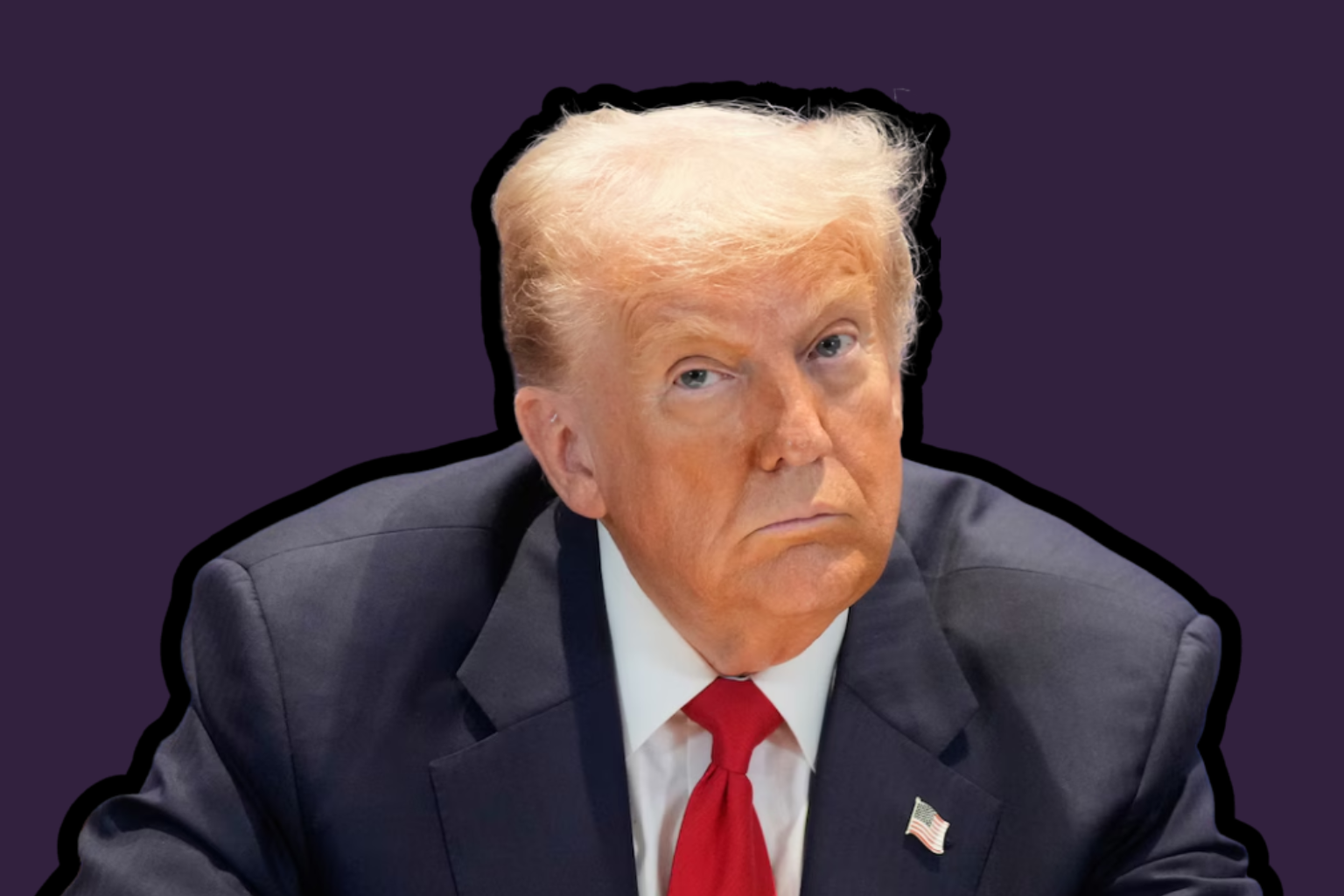
At the World Economic Forum in Switzerland, President Trump posted on his Truth Social platform about the FCC’s targeting of “The View” and “Jimmy Kimmel Live!” Trump’s attention to these shows revived his criticism of media institutions and late-night hosts who oppose him.
During his Wednesday taping, Jimmy Kimmel answered. He called FCC officials “Trump’s minions” and said the guidance could impede conversations with politicians who disagree with hosts. Kimmel also referenced his own ban, illustrating the conflict between entertainment and federal monitoring.
Sinclair’s ABC stations withdrew Kimmel’s show last year after inappropriate comments regarding conservative activist Charlie Kirk. Disney and other broadcasters were told by Carr’s FCC to comply or risk penalties.
Politicians have reacted differently to the new FCC directive. Trump supporters applaud Carr’s move, citing that talk stations have historically promoted specific political views while claiming news exemptions. Conservatives say this guidance ensures balanced political coverage and prevents “one-sided programming.”
Critics, including FCC Commissioner Anna M. Gomez, have called the rule a political attack on specific programs. Gomez noted that the Commission has given late-night and daytime news programs editorial latitude based on newsworthiness, not politics, for decades. Progressive pundits have compared the FCC’s recommendations to programming control, arguing it may force shows to feature Republican voices even when irrelevant.
Carr urges public broadcast stations to follow the “equal time” regulation, which requires equal airtime for all political candidates. The bona fide news exemption has allowed networks to omit candidate interviews on entertainment shows. By challenging this premise, the new guideline changes how political content on entertainment platforms may be handled.
Free speech, editorial freedom, and government regulation in U.S. media are at the heart of the FCC dispute. Critics say the guidance could damage entertainment journalism’s independence, but supporters say it improves impartiality. This approach will undoubtedly influence programming and political balance conversations in American media when the political and media environments intersect.
Sources:
- Federal Communications Commission (FCC) official statements
- Truth Social statements by Donald Trump
- ABC and CBS network press releases
- Statements from FCC Chair Brendan Carr and Commissioner Anna M. Gomez