Trump’s Immigration Comments Spark Unusual Backlash From His Own Support Base
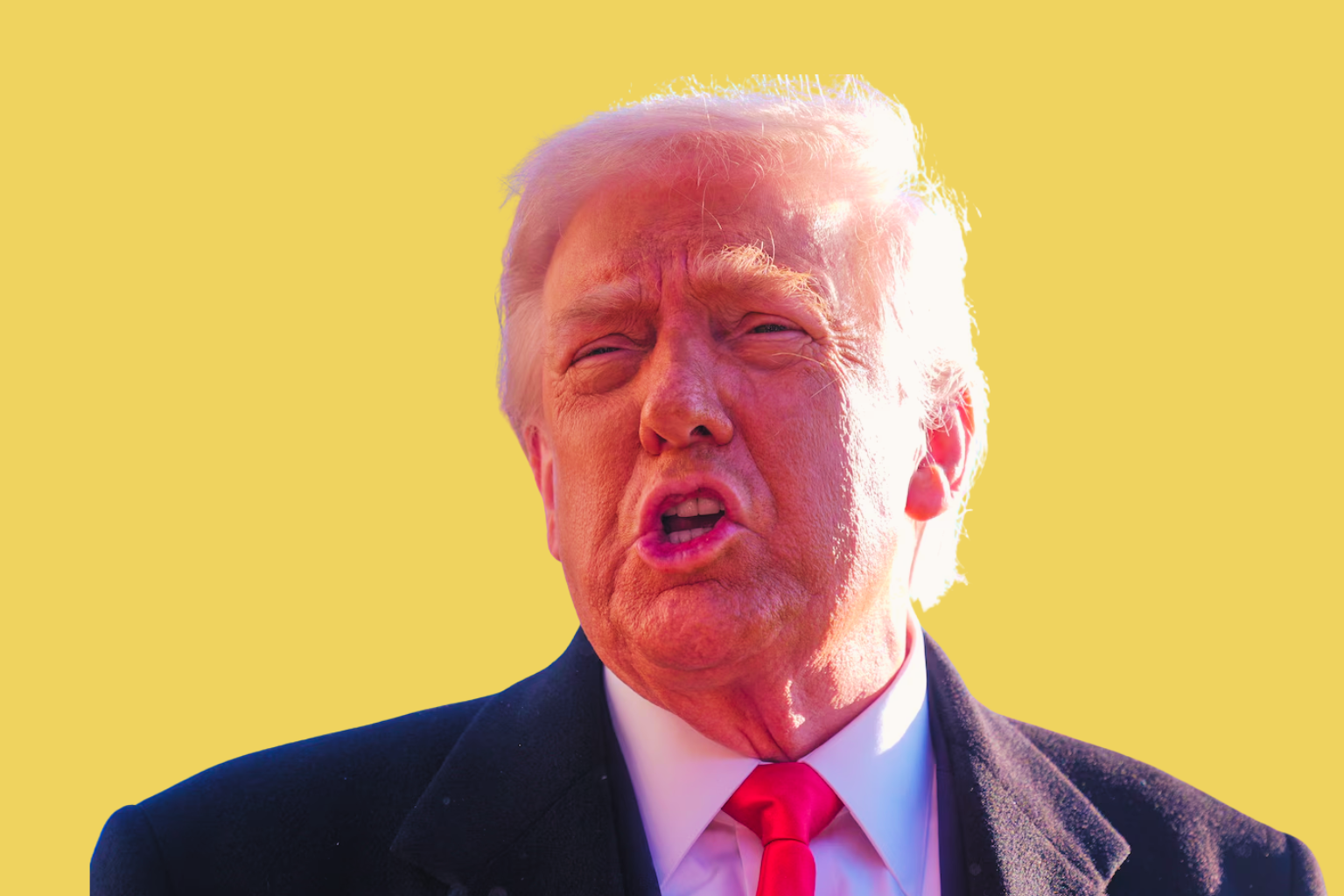
After expressing support for a larger immigration overhaul, including a path to citizenship for undocumented immigrants, President Donald Trump is encountering surprising pushback from his own party. The comments, delivered in a recent interview with a major national newspaper, have sparked conservative debate and renewed Republican divisions over immigration policy.
Trump claimed in the interview that he would pursue comprehensive immigration reform with Democrats. He stressed that all parties must cooperate on immigration reform and that the country needs a better system. He would not specify policy details, but he suggested a road to citizenship for some undocumented immigrants. He changed his tone from advocating tight border enforcement and mass deportations.
Social media was filled with conservatives’ frustration and disappointment as “Make America Great Again” supporters reacted quickly. Several notable right-leaning commentators and influencers rejected citizenship options, saying they contradicted Trump’s campaign promises. Some users accused him of abandoning key ideals, while others argued that this was not their electoral agenda.
Conservative critics claimed that immigration enforcement, not compromise, drove Trump’s support. Some critics said his comments contradicted voters’ longstanding concerns about illegal immigration threatening jobs, safety, and national security. Others framed the issue emotionally, saying supporters who underwent years of political and cultural battle over immigration feel neglected.
However, Democratic leaders responded differently to Trump’s comments. Arizona Senator Ruben Gallego publicly advocated bipartisan immigration cooperation if both sides are willing. His attitude contrasted with Democrats’ longstanding support for immigration reform that includes legal rights and citizenship for undocumented immigrants.
Despite the reaction, Trump has supported immigration reform before. He had supported citizenship for “Dreamers,” illegal immigrants brought to the US as youngsters, during his first administration. That prior effort failed due to congressional splits, especially when Republican legislators rejected plans that did not entirely agree with Trump’s hard-line immigration policy. Bipartisan negotiations halted due to severe family-based immigration quotas and the diversity visa lottery elimination.
Trump has alternated between aggressive enforcement rhetoric and negotiation flexibility on immigration. His public image is related to border security and deportations, but he has sought compromise alternatives only to back down when political resistance increased. This has confused supporters and critics regarding his long-term immigration policies.
The statements come as immigration remains one of the most divisive subjects in American politics. Public opinion is widely split, thus even tiny linguistic changes from national leaders can cause powerful reactions. Trump must balance his loyal supporters’ hopes with government reality and parliamentary cooperation.
Trump may make a formal immigration plan or just make exploratory remarks as the dialog proceeds. His answer revealed divisions in his constituency and rekindled immigration policy disputes that have lasted over a decade. Trump’s statements will be closely watched by allies and opponents in the weeks ahead as immigration returns to the political center.