From “Law and Order” to Global Tension: Trump’s Actions Spark Debate at Home and Abroad
The new year has begun with political and law enforcement activities under President Donald Trump that are sparking national debate, legal questions, and reactions beyond Washington. Supporters who expected “law and order” are now seeing assertive foreign policy, controversial immigration enforcement, and growing Republican Party dissent. The combination of these events is generating scrutiny from citizens, lawmakers, and state authorities, particularly in New Jersey.
The unexpected U.S. operation against Venezuelan President Nicolás Maduro was the most spectacular. Trump ordered a dramatic action against Maduro over long-standing narcotics and terrorism claims. The president stated that America will dominate Venezuela’s future oil and minerals for U.S. security and economic interests. After years of vows to cease foreign hostilities, this announcement sparked global outcry and raised questions about whether the US was pursuing modern regime change. Legal experts and foreign observers have questioned the authority and repercussions of such an action, warning that it could shift America’s global stature and invite more turmoil.
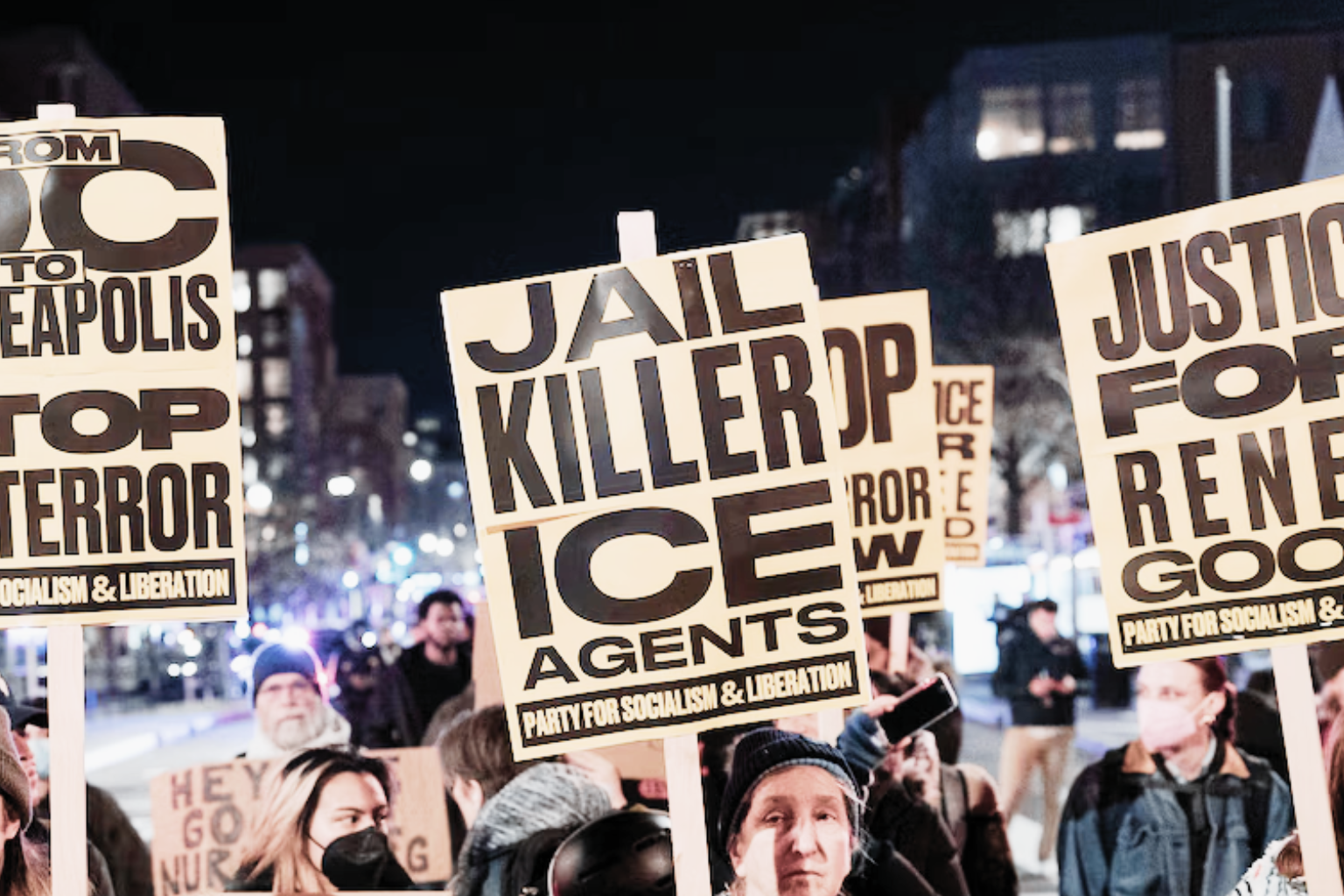
Home, attention swiftly switched to a Minneapolis ICE killing. Renee Nicole Good, 37, a mother of three, was fatally shot by ICE officials during an enforcement operation. Federal authorities initially said she was shot after trying to hit agents with her car. Protests and requests for accountability have followed witness testimony and video evidence that contradicts that version of events. Although federal investigations are underway, the case has become a flashpoint in the national debate over immigration enforcement, use of force, and civil rights.
This incident affects more than Minnesota. Lawmakers in New Jersey, where ICE activities have intensified in recent months, want to limit state and local law enforcement cooperation with federal immigration agents. Proposed law would require criminal convicts to share information with ICE. Supporters say the Minnesota shooting shows the dangers of unfettered enforcement, while critics say limiting cooperation might lead to agency conflicts and public safety difficulties. This dispute could affect New Jersey’s federal enforcement strategy for years after a new governor takes office.
Political tension is escalating among Republicans. Several prominent GOP figures have resigned or returned to conservative media, indicating party divides. Trump retains most of the Republican base, but ideological divisions are growing. Foreign policy, immigration, and leadership style are dividing party groups. Analysts say this internal strain might increase if economic pressures rise or if contentious foreign acts affect Americans at home.
Another persistent concern is the delayed release of Jeffrey Epstein materials. Millions of records are being examination despite legal deadlines. Democrats and Republicans, including Trump’s allies, are unhappy by the delay. Lawmakers and victims’ supporters say the issue will persist and that delays increase public faith in federal institutions.
New Jersey’s non-federal policy changes are also significant. Since January 1, 17-year-olds who will be 18 by the general election can vote in primaries. This reform may enhance youth political engagement, but skeptics are watching how widely it will be used. A 2019 law raised the state’s minimum wage to nearly $16 an hour for most workers. State authorities say the rise is needed to keep up with rising living costs, while business leaders worry about the impact on small firms in an uncertain economy.
These events show a nation wrestling with powerful questions about authority, accountability, and direction. From international interventions to domestic law enforcement, party unity to state-level reforms, the first days of the year imply that “law and order” is being tested in complicated and unexpected ways. The following months will show whether these decisions offer stability or increase divisions for many Americans, including those in New Jersey.
Sources
U.S. Department of Homeland Security
U.S. Immigration and Customs Enforcement
State of New Jersey Government Publications
Federal Election Commission Reports