Republican Senator Defends Constitutional Role While Standing by Trump After Sharp Criticism
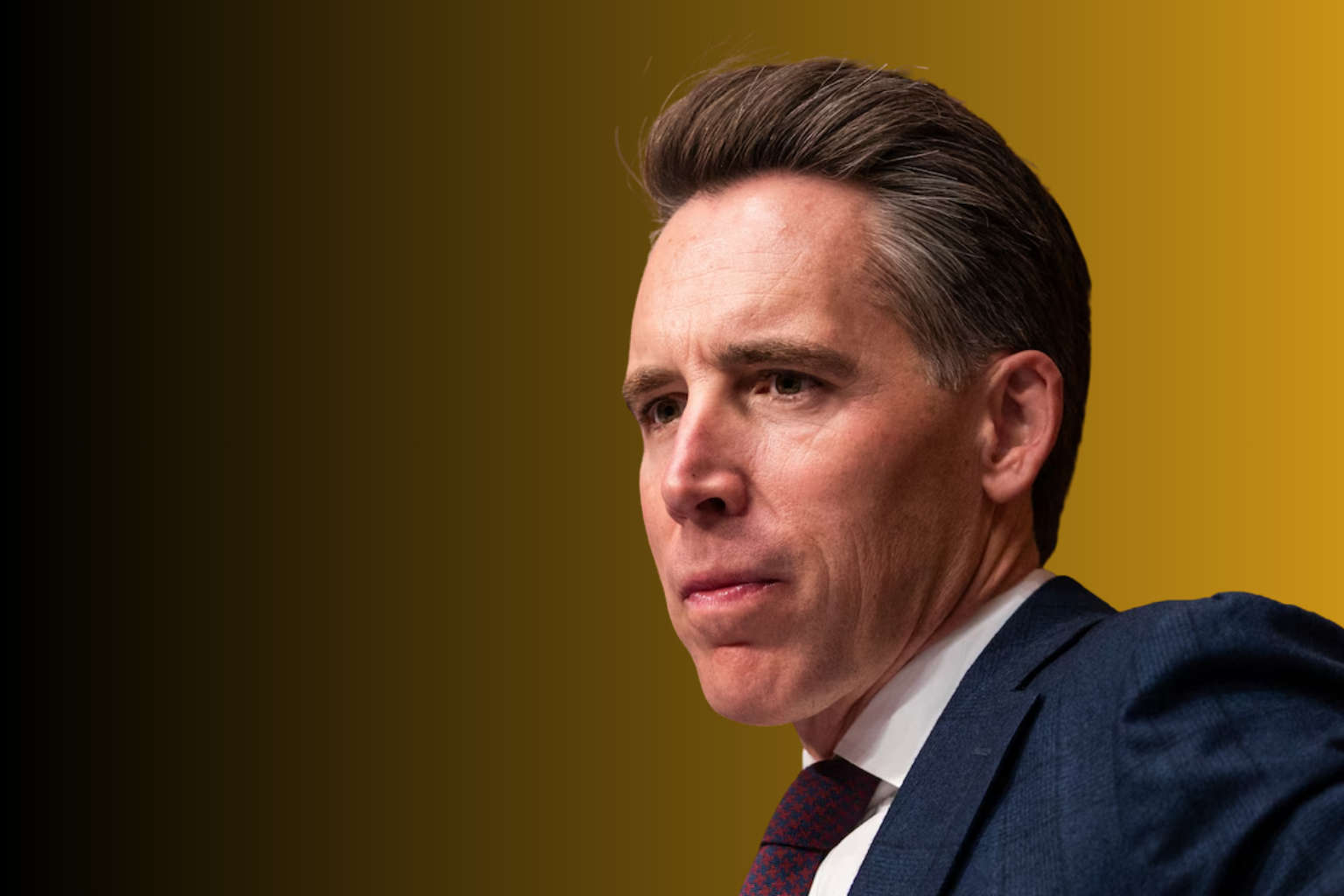
Senator Josh Hawley publicly praised him and other Republican senators for voting against Venezuela foreign policy despite President Donald Trump’s harsh criticism. As tensions increase over presidential war powers, Republican Party officials must combine presidential allegiance with constitutional duties.
A Senate resolution limited the president’s military action in Venezuela without congressional approval. The 52–47 vote allowed a full Senate vote next week. Hawley, Murkowski, Paul, Collins, Young, and all Democrats supported it.
Trump chastised the five Republicans for joining Democrats to weaken his defense. On Truth Social, the president said Republicans should be “ashamed” of senators who supported the proposal and never be reelected.
Although criticized, Senator Hawley stated his vote was not against the government. He told NBC News he supports Trump and thinks he’s doing well. Hawley said his decision was lawful, not political. He said Congress must approve a president’s troop deployment.
Article I of the Constitution authorizes Congress to declare war and makes the president commander in chief, according to Hawley. Former constitutional law professor Hawley read the resolution but couldn’t understand Congress’s duties. He added that Congress must approve American soldiers in Venezuela.
Virginia Senator Tim Kaine, Rand Paul, Adam Schiff, and Senate Minority Leader Chuck Schumer support the measure. To enhance U.S. military involvement in Venezuela, Trump needs legislative permission. Nicolás Maduro and his wife were detained and arraigned in a massive U.S. operation, igniting discussion in Washington over America’s long-term involvement in Venezuela.
Trump has discussed increasing U.S. participation in Venezuela. He told The New York Times the US may rule for more than a year. He said that the U.S. will buy tens of millions of barrels of Venezuelan oil, sell it at market value, and manage the profits for both nations.
Senators heard from Secretary of State Marco Rubio on Venezuela’s stabilization, economic recovery, and political transition plan this week. The administration says strong executive authority is essential to respond quickly and efficiently.
If the Senate passes war powers legislation, the GOP-controlled House will challenge it. Trump may veto if both chambers pass. Overriding a veto requires a two-thirds House and Senate majority, which may be difficult.
Congress debates presidential power in international crises in the episode. Senator Hawley supports Trump, but his vote shows that constitutional issues may divide parties. The Senate’s final vote could effect future presidents’ military action and Congress’ war and peace authorities. Lawmakers and political watchers are closely watching the Senate’s decision, which could shift executive-Congressional power. It highlights the contradiction between national security and constitutional checks and balances in U.S. foreign policy.
Senator Hawley’s stance illustrates Republicans’ conflict between presidential support and military oversight. The final vote will impact U.S. policy toward Venezuela and debates about presidential war powers and Congress’ participation in military actions.
This case shows the need for constitutional safeguards in the American political system to involve elected representatives in foreign crisis military force decisions.
Sources:
- U.S. Senate official records
- Statements by Senator Josh Hawley
- Truth Social posts by President Donald Trump
- Official briefing by Secretary of State Marco Rubio
- U.S. Constitution, Article I