
Trump Slams Five GOP Senators After Bipartisan Vote Limits Military Authority on Venezuela
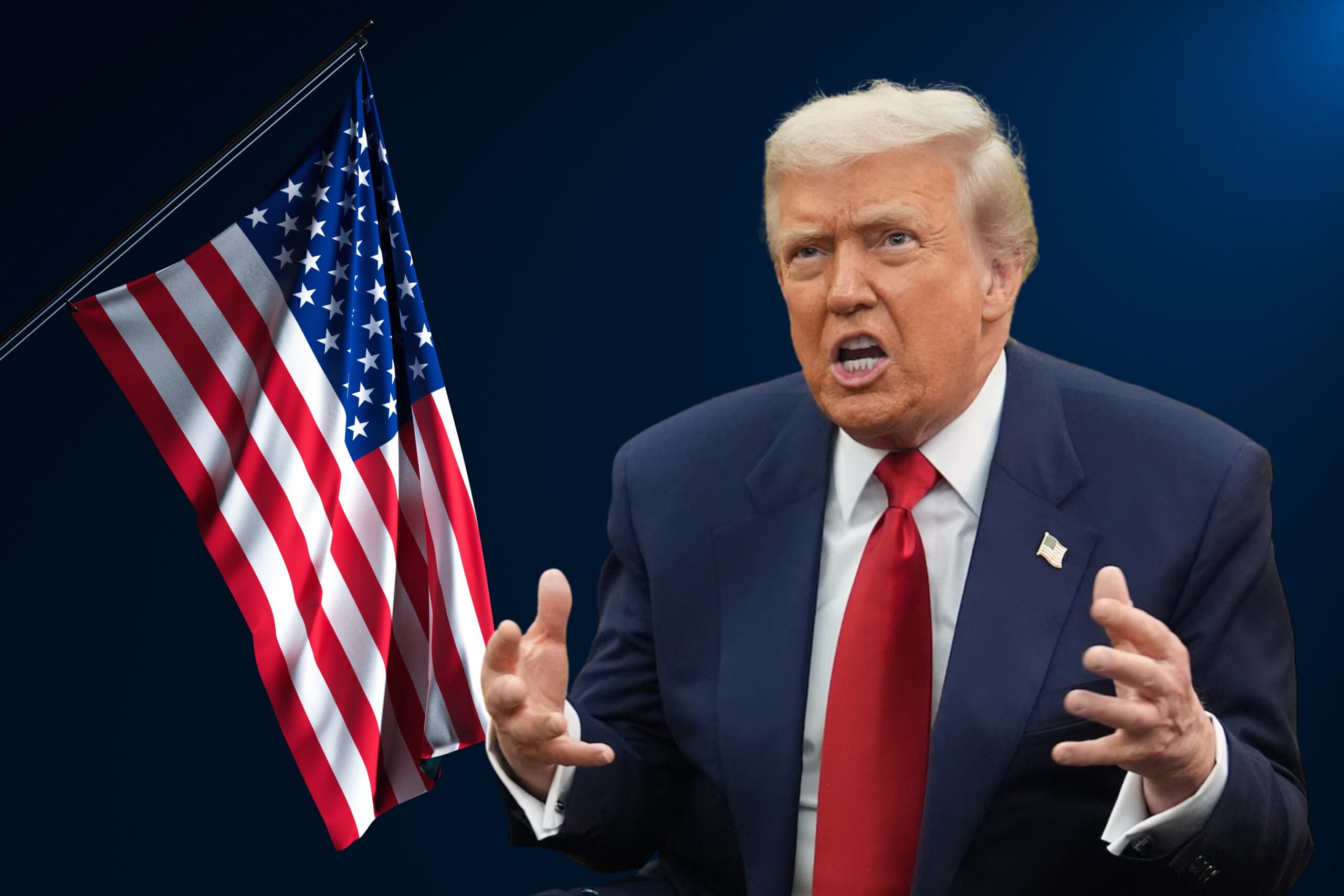
President Trump publicly scolded five Republican senators for supporting a Senate resolution to limit his military activities in Venezuela. The move showed new Republican Party divisions and reignited Congress’s conflict with the president’s war and national security authorities.
Thursday, the Senate barely passed a war powers resolution 52–47. Military action “within or against” Venezuela requires congressional permission. The resolution cannot immediately modify U.S. policy, but it ensures a final vote in the coming days and sends a strong political message about congressional supervision.
Susan Collins, Lisa Murkowski, Rand Paul, Josh Hawley, and Todd Young broke ranks. Trump criticized them for backing Democrats, saying they weakened national security and the administration.
Trump said on Truth Social that Republicans should be “ashamed” of resolution supporters. He called the idea unlawful because it strips the president of vital authorities needed to protect the nation. Trump said the five MPs should never be reelected, predicting party anger.
Resolution supporters claimed their votes were a defense of the Constitution, not a challenge to Trump. Senate co-sponsor Rand Paul said the Constitution clearly distinguishes war declaration from war. Paul thinks Congress approves and the executive executes war.
Senator Josh Hawley said Congress should vote on any future U.S. army deployment to Venezuela. He cited Constitutional reading, not party allegiance or political pressure, for his judgment. Hawley said sending American troops abroad demands open debate and legal approval.
Senator Todd Young was cautious, praising Trump for prosecuting Venezuelan President Nicolás Maduro. Congress must support any future military action in Venezuela, Young said. I’m open to conversation, but the resolution provides accountability.
One recent U.S. military operation in Venezuela raised fears among senators about expanded military engagement without parliamentary authority, prompting the resolution. The Senate vote advances the bill, but it’s unlikely to pass. It needs Republican House support and the president’s signature to take effect after Senate passage.
The episode shows that Congress and the executive branch have historically disagreed on war powers. As Trump loyalty clashes with constitutional power and checks and balances, Republican ideological differences intensify.
The resolution is expected to generate new debate in Washington about U.S. strategy toward Venezuela and who chooses when and how to go to war as the final vote near.
Sources:
U.S. Senate
The White House
U.S. Constitution
Official statements from U.S. Senators involved