
Reviving New Jersey Malls: How Small Businesses Are Breathing New Life Into Vacant Spaces
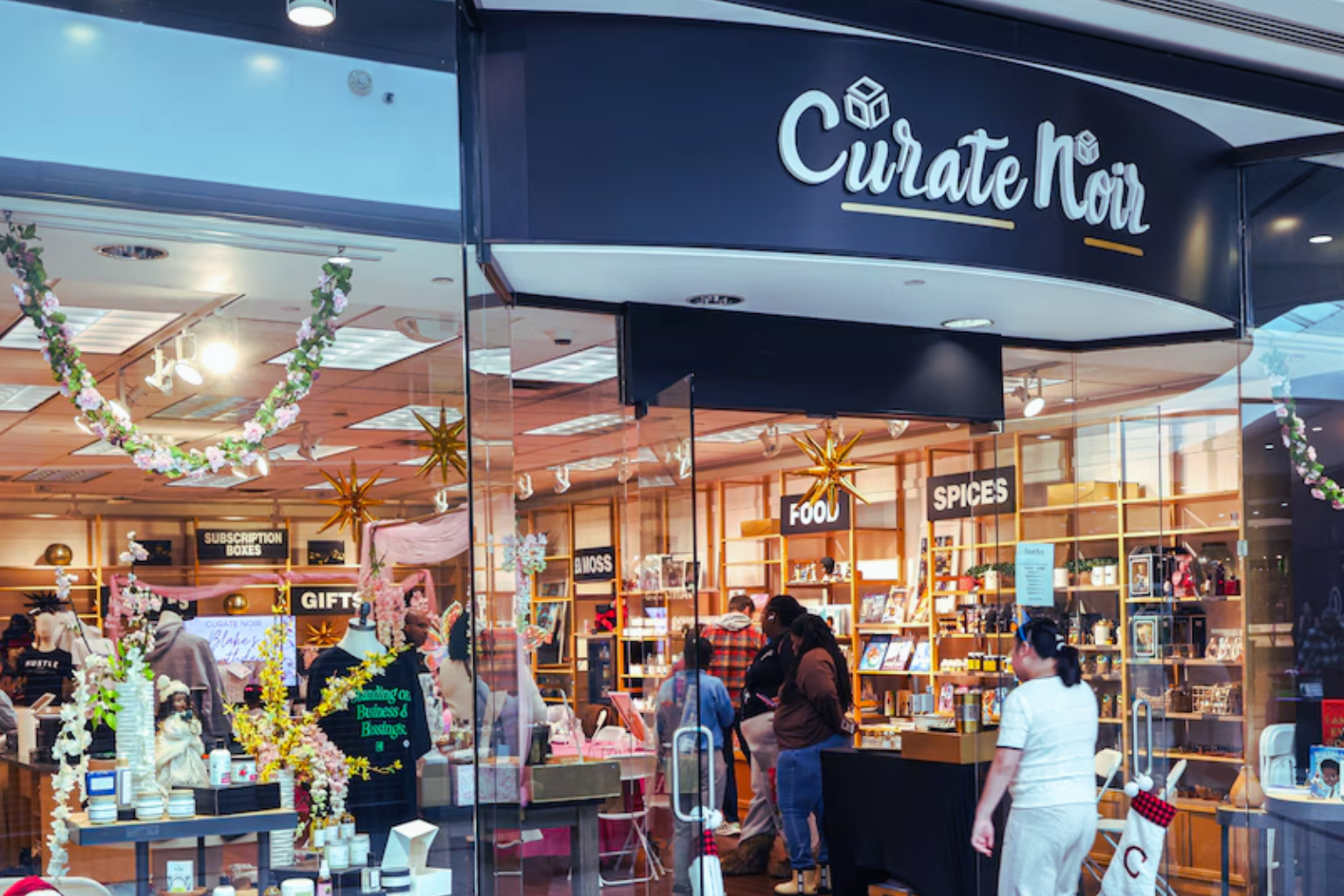
In 2021, Nika and Alban Corbett opened Curate Noir at Moorestown Mall, a neglected space. Only a few stores were open, and the mall’s once-bustling hallways were empty. The epidemic forced numerous long-standing tenants to close, while nationwide movements in online shopping had already hurt traditional malls.
Despite uncertainty, the Corbetts recognized an opportunity. Their store displayed products from Black- and Brown-owned businesses, giving customers a unique retail and community support experience. “It was risky because we didn’t know what would happen,” said Nika Corbett. This strategy brought people back to the mall and showed how clever small businesses could adapt to tough times.
For years, Moorestown Mall and other New Jersey malls lost large department stores. Sears, Lord & Taylor, and Macy’s closed, forcing mall managers to reassess their areas. Former anchor positions are being repurposed. Malls are becoming mixed-use community hubs with housing, restaurants, and entertainment venues near the former Sears property, which now houses Cooper University Health Care.
Inside the mall, something has changed. Children’s play centers, slime bars, dog training facilities, CBD product businesses, and specialized medical imaging studios have joined traditional retail chains. This diversification follows a larger trend of small, independent enterprises entering major chain-dominated spaces to add uniqueness and local flavor to faltering neighborhoods.
This revolution revolves upon small enterprises. Monthly perfume-making classes and seasonal expos at Curate Noir promote community interaction and product sales. These events showcase local businesses and let buyers try products in person. Many event providers have opened stores.
Similar revivals have occurred at Hamilton Mall in South Jersey. Pop-up markets and temporary retail spaces now fill abandoned hallways with dozens of merchants selling art, jewelry, food, and other unusual items. Entrepreneurs like Felicia Buggs, who quit her long-term work, have grown their interests into successful businesses using mall pop-ups. These initiatives demonstrate that small shops can sustain mall activity and build community.
Small businesses have more flexibility as shopping center vacancies rise nationwide. Leasing agencies and mall owners are offering lower prices, turnkey premises, and streamlined lease agreements to entice independent merchants. These modifications enable shopping malls adapt to changing consumer expectations and offer experiences and variety that online shopping cannot match, say experts.
Mall redevelopment plans include housing and entertainment, but small shops drive foot traffic. Events, pop-ups, and interactive retail experiences encourage community visits to malls, keeping them dynamic and current.
Finally, New Jersey malls are changing. Instead of giant chains, small companies, unique experiences, and mixed-use construction are transforming retail centers. As entrepreneurs investigate these places, they are rehabilitating derelict storefronts and building hubs that integrate business with community to represent the evolving retail scene in the state.
Sources:
NJ Advance Media reporting
PREIT (mall management company)
Cushman & Wakefield commercial real estate data
International Council of Shopping Centers (ICSC)