
Trump’s Remarks on Putin’s Intentions for Ukraine Spark Skepticism at Home and Abroad
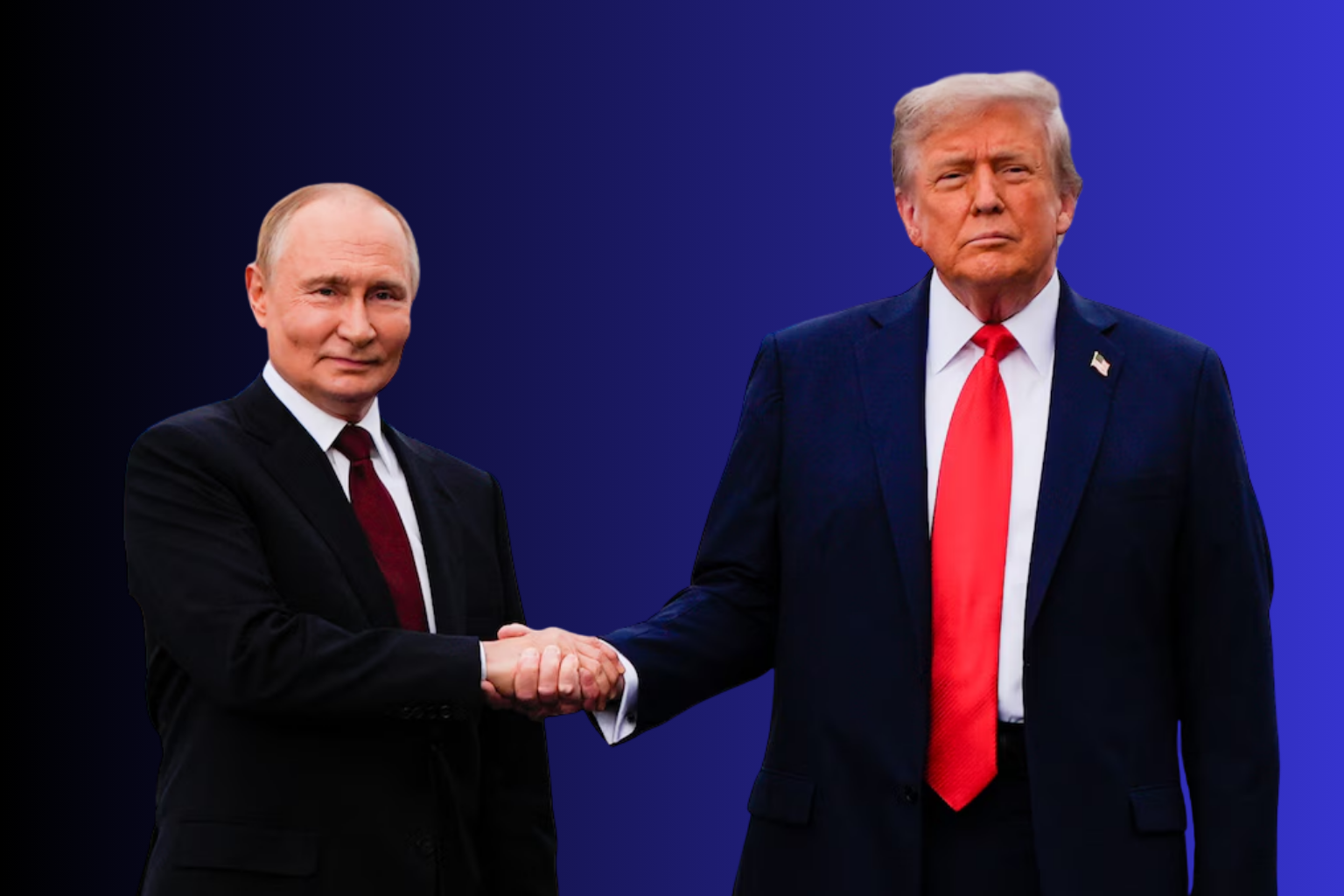
Ukrainian President Volodymyr Zelenskyy, U.S. politicians, commentators, and foreign policy experts question President Donald Trump’s recent comments about Russian President Vladimir Putin’s plans for Ukraine.
Trump said a long phone discussion with Putin was “excellent” and that Putin wants Ukraine to succeed after peace negotiations at Mar-a-Lago. Trump said Putin acted “generously” and suggested giving Ukraine cheap energy and power. Trump said these things to the press while standing next to Zelenskyy, who seemed unsure of what to reply.
Four years after Russia invaded Ukraine, the Trump administration is still trying to make peace. Trump hoped things would improve quickly, but reality is harder. Russian missile and drone attacks on Kyiv resumed days before the Florida gathering. The conflict is active and hazardous.
Big divisions still block peace. Putin wants to keep Russian soldiers in Ukraine, including partial control of the strategically important Zaporizhzhia nuclear power plant. Zelenskyy firmly rejected these phrases. Instead, he wants explicit security guarantees from the US and NATO and a border demilitarized zone.
Trump said conversations are difficult and time-consuming, so the conclusion may rely on unexpected factors. He said an agreement should be easier to predict in a few weeks. Zelenskyy has challenged Trump’s claim that Putin will help rebuild Ukraine or advance peace, even though this is true. Zelenskyy said in a TV interview that Putin hasn’t expressed peace. He also asserted that Russia’s leader talks about progress rather than ending the war.
Trump’s portrayal of Putin’s aims scared both main U.S. political parties. Congressman Mike Turner stated supporting Russia goes against “America First”. He noted that Russia has publicly declared itself an enemy of the US while attacking Ukrainian civilians and territory.
Senator Chris Murphy added that Trump was praising Russia while ignoring Ukraine’s most pressing needs. He suggested that Russia may give economic incentives connected to a peace deal that benefit rich U.S. interests but hurt Ukraine.
Foreign policy experts also disagreed with Trump. Former U.S. ambassador to Russia Michael McFaul said Putin’s actions and long-term goals don’t support Ukraine’s success. McFaul said Putin’s purpose has always been to control Ukraine, not assist it recover or become independent.
Media analysts worried that Putin instigated the invasion and continues military activities. Zelenskyy’s reaction to Trump’s words was shock and controlled rage, according to witnesses. This revealed how much diplomats’ words differ from battlefield events.
While diplomatic efforts continue, Trump’s optimistic view of them contrasts with Ukraine’s ongoing conflict. Even if missiles are dropping and essential needs haven’t been met, many officials and scholars don’t think Russia would support a peace settlement that respects Ukraine’s sovereignty.
Sources:
The White House
U.S. Department of State
Official statements from U.S. Congress
Associated Press