
How Old-School Department Stores Are Quietly Keeping New Jersey Malls Alive
Many enclosed New Jersey malls are no longer social hubs. Dark stores, empty hallways, and remodeling plans are typical. Boscov’s and Macy’s thrive in state’s decaying malls. Older merchants are quietly keeping foot circulation in malls that may feel abandoned, even as younger buyers favor online and outdoor shopping.
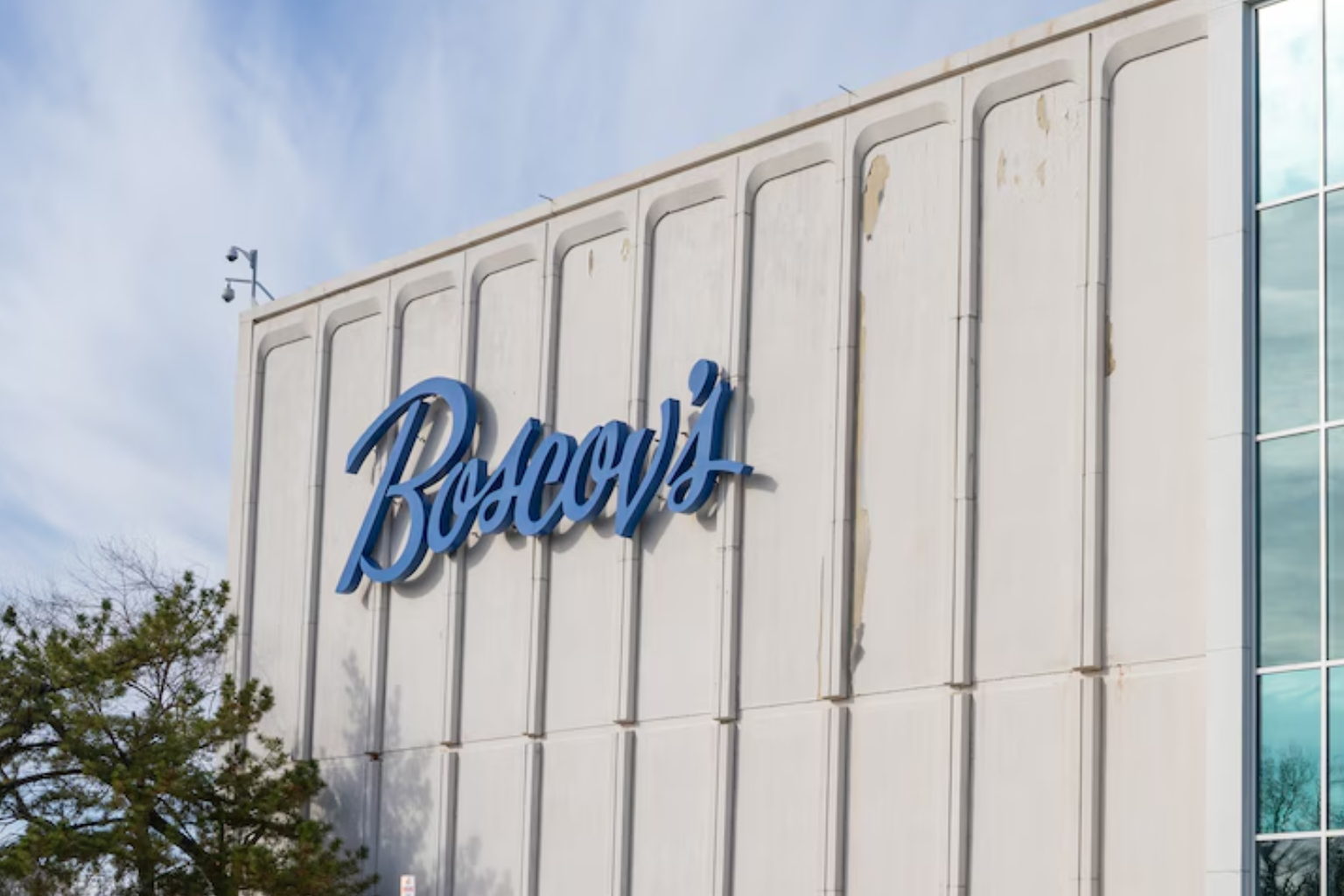
Consider Camden’s Voorhees Town Center. Many mall areas have been closed due to damage or tenant withdrawals. The property’s Boscov’s is popular, especially during the holidays. Bright lights, checkout lines, familiar music, and big discounts contrast with the deserted mall.
Customers value this above a business. We have many recollections. 1980s and 1990s mall shoppers like these department stores. Despite not exploring the rest of the mall, many return for apparel, household products, and seasonal deals. Boscov’s has outlasted several nearby competitors due to client loyalty.
This pattern beats Voorhees. Similar scenarios are happening across NJ. While major parts of Livingston Mall in Essex County and Hamilton Mall in Atlantic County are unoccupied, Macy’s operates. Although Monmouth Mall and Brunswick Square Mall are under restoration, department stores are operating. Moorestown has residences and mixed-use complexes near Boscov’s.
Retail researchers thank senior shoppers for its longevity. Boomers make up a big portion of department store shoppers over 45, according to studies. This group values brands, prefers in-person shopping, and visits the mall weekly or monthly. Malls thrive on parent-grandparent visits.
However, department retailers realize that targeting solely seniors is impossible. JCPenney and Macy’s are changing merchandising, store layouts, and online marketing to attract younger buyers. Despite mixed outcomes, executives insist classic department stores can prosper in a changing retail economy.
Department shops’ role changed. They ruled food courts and tiny establishments decades ago. The malls are adding housing, entertainment, workout centers, medical offices, and eateries. Department shops may not be popular, but they offer stability amid transitions.
The history of New Jersey malls shows their importance. In the 1960s and 1980s, enclosed malls became cultural and social hubs. Anchor department shops featured clothes, housewares, and unique services. Online, specialized, and big-box stores disrupted that model, closing several brands.
Lord & Taylor, Sears, Bamberger’s, and Bon-Ton left NJ malls. They are now residences, offices, churches, or entertainment places. Some department stores stay. Some company leaders have personally told employees and communities that their stores will not close, despite dubious prospects for surrounding malls.
Industry experts say department store sales have fallen nationally over the past decade, but remaining stores are more efficient. Competitive pricing, loyal customers, and strong locations are their priorities. This method helped some New Jersey stores survive mall change.
Retail mall anchors expanded. Cinemas, grocery stores, gyms, and entertainment facilities are becoming as significant as retailers. Many New Jersey communities have department stores. Though they don’t run retail, they link its past and future.
Shopping at the state’s mixed-use malls like Boscov’s and Macy’s continues. Instead, it accommodates generations of in-person shoppers.
Sources:
NJ Advance Media
Rutgers University economic research
ICSC (International Council of Shopping Centers)
Consumer Edge retail data
Coresight Research