
New Jersey’s Food Insecurity Deepens as Federal Cuts Threaten Families and Farmers
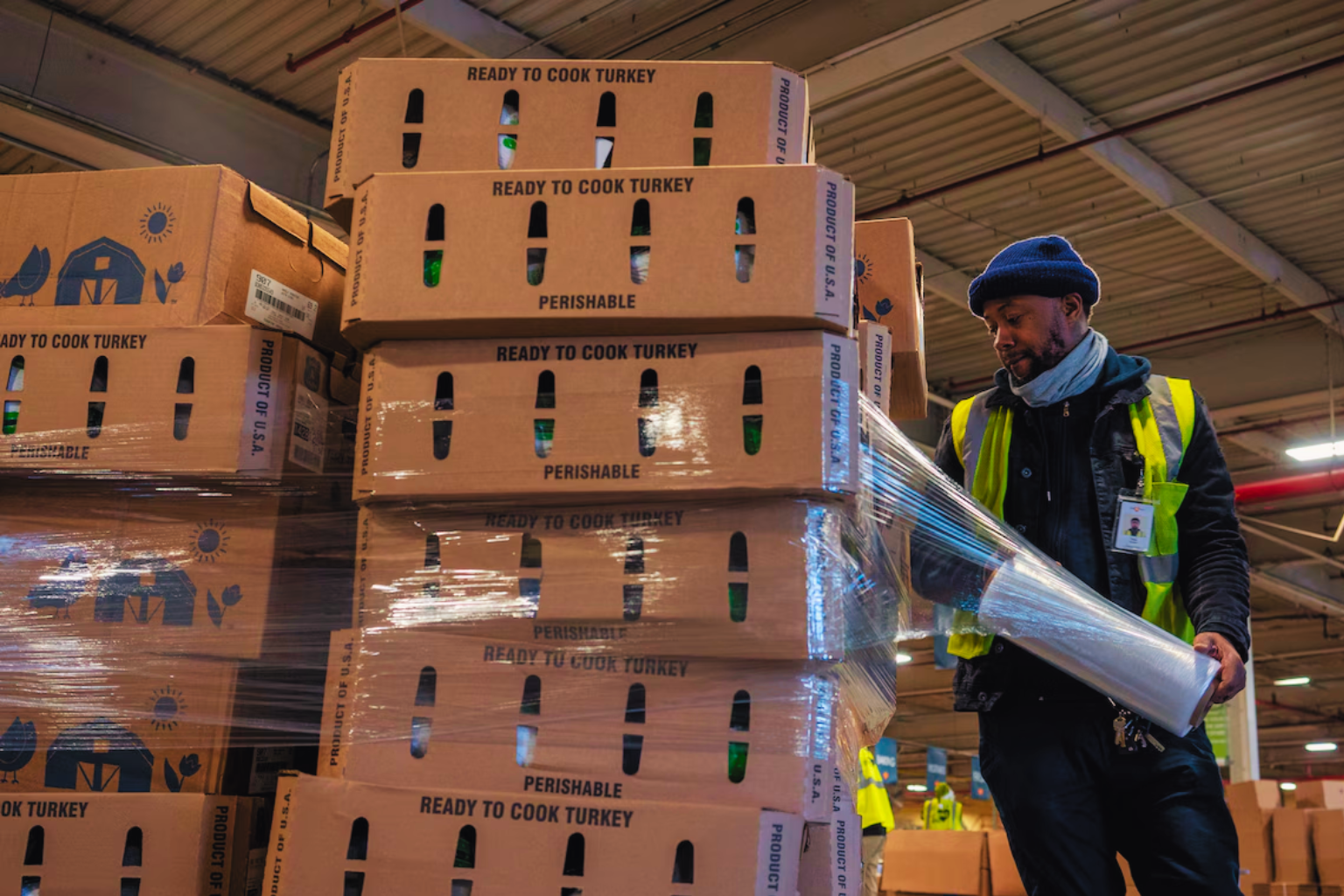
Many New Jersey neighborhood leaders say food insecurity is at record highs. Inflation, job losses, and federal assistance cuts have exacerbated the dilemma facing local food pantries, farmers, and nonprofits. With food support demand rising, the state expects a rougher path ahead.
The Montclair Human Needs Food Pantry sees this situation regularly. Over a decade ago, 60 families in one day was overwhelming. Today, 200–300 households queue for food and supplies at the same pantry. The pantry has aided more families by mid-year than it did last year, demonstrating the community’s growing need.
The same applies in South Jersey. The Food Bank of South Jersey in Pennsauken, which supports over 200 smaller agencies in four counties, supplied 185,000 individuals monthly in 2024, about double the figure a few years earlier. With demand surpassing donations and federal backing, group leaders say they have never had to push their resources this thin.
Multiple variables drive the issue. Working families struggle because food and housing prices are high due to inflation. Data shows 1.1 million New Jerseyans are food insecure, including 270,000 children. That means one in nine state residents lacks food security.
Additionally, the federal One Big Beautiful Bill, passed into law this summer, will cut SNAP payments by $186 billion through 2035. Low-income families may face new work restrictions in October, causing panic among thousands of beneficiaries. New Jersey must find $100 to $300 million yearly by 2028 to sustain support levels due to the reduction.
Although the state has provided summer feeding programs for children when schools are closed, local organizations say it is not enough to meet rising demand. Summer pantry lines are long for families that used to rely on school lunch programs, and even slight changes in benefits have left many unable to eat.
Food pantries face severe financial hardship. The Montclair pantry spends almost $700,000 on food, toiletries, and school supplies. Rising food prices, especially chicken and poultry, have prompted groups to spend tens of thousands more this year than last. Leaders say donations of money and shelf-stable commodities like canned meats and peanut butter are more vital than ever since food banks can stretch each dollar longer.
Volunteers matter too. It took community participation to sort and examine roughly 200,000 pounds of donated food for safety, according to the Food Bank of South Jersey. Food banks throughout the state emphasize the importance of financial assistance, grant advocacy, and volunteerism to stock shelves.
While food banks and pantries struggle, New Jersey farmers are also affected by federal cuts. The discontinuation of the Local Food Purchase Assistance program earlier this year took roughly $10 million from Garden State farmers feeding underprivileged populations. This support helped many small farms survive the nation’s highest agricultural production expenses.
This program allowed Hopewell farmers like Fairgrown Farm to supply local food banks with fresh produce, increasing distribution considerably over the past year. After losing that support, many farms are unsure how to maintain operations. Rising labor, land, and fertilizer costs have small farmers seeking for alternatives. Without governmental or charity subsidies, food banks and farmers may struggle more.
Food insecurity is no longer limited to the unemployed or poorest families, say New Jersey community leaders. Working families, retirees on fixed incomes, and middle-class residents are increasingly using food pantries. One food bank leader said anyone could need help after a medical emergency, job loss, or unexpected expense.
Statewide, groups service everyone who walks through their doors, but they say the system is stretched. The message is clear: New Jersey needs donations, volunteers, and more policy support to stop this crisis.
Sources
NJ Advance Media
U.S. Bureau of Labor Statistics
Community Food Bank of New Jersey
Food Bank of South Jersey
New Jersey Department of Agriculture