Lauren Boebert Questions Timing of Iran War Messaging as GOP Faces Internal Tension
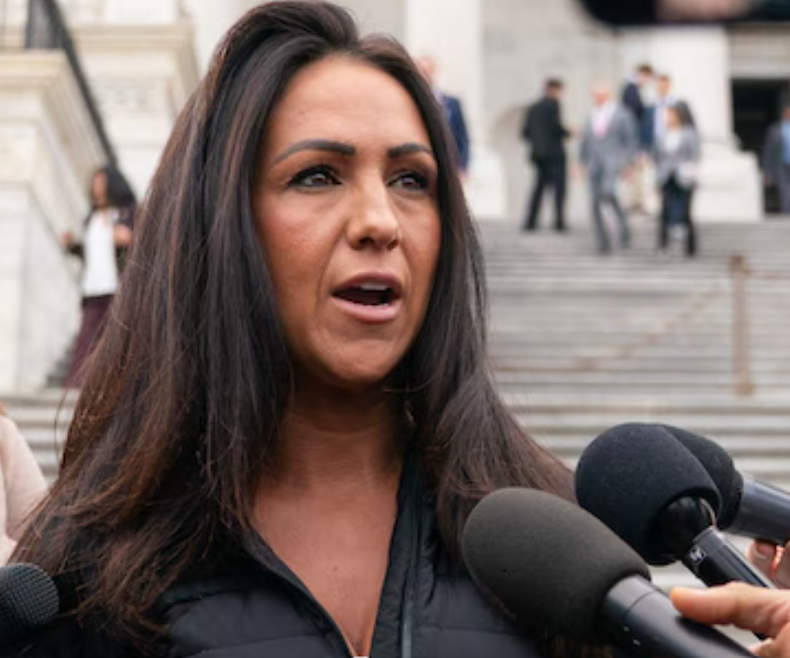
Republican Representative Lauren Boebert publicly acknowledged that some parts of President Donald Trump’s approach to the Iran conflict have become difficult for Republicans to explain to voters, especially as political campaigning continues during a period of military tension overseas.
During a televised interview on Wednesday, Boebert discussed concerns about how growing international conflicts could affect Republican candidates ahead of future elections. While she continued to support Trump’s earlier military decisions, including actions related to Venezuela and initial strikes connected to Iran, she admitted that recent developments have raised questions among conservatives.
Boebert specifically pointed to Defense Secretary Pete Hegseth attending campaign-related events while military operations remain active. She said it becomes harder to defend every aspect of the administration’s handling of the Iran situation when senior defense officials are appearing at political gatherings during a time of conflict.
According to Boebert, foreign policy issues are not the main concern for many voters in her district, but she recognizes that the White House continues to treat these matters aggressively. At the same time, she suggested that the optics surrounding campaign events during wartime could create confusion for the public.
Her comments came shortly after Hegseth appeared in Kentucky to support retired Navy SEAL Ed Gallrein during a Republican primary challenge against Representative Thomas Massie. The appearance quickly sparked criticism from opponents and political observers who questioned whether it was appropriate for a senior defense official to participate in campaign activities while international military tensions remain ongoing.
The situation also highlighted growing divisions inside Republican circles. Boebert herself recently became the target of criticism from Trump after she publicly backed Massie’s reelection efforts despite the former president opposing him. Trump later posted sharp remarks about Boebert on social media, even suggesting support for a possible challenger against her in Colorado.
In his comments, Trump questioned Boebert’s political standing and criticized her move to Colorado’s 4th Congressional District after previously representing another district in the state. His remarks added another layer of tension to an already sensitive political moment for Republicans dealing with disagreements over foreign policy, campaign strategy, and party loyalty.
Despite the criticism, Boebert later appeared to reaffirm her support for Trump after Massie lost his reelection bid. In a social media message, she praised her family, celebrated her son’s graduation, and stated clearly that Trump remains her president while also expressing gratitude for the country and its freedoms.
The exchange has drawn national attention because it reflects a broader debate happening within conservative politics over military involvement overseas and how Republican leaders should communicate those actions to voters at home. Some conservatives continue to strongly support Trump’s aggressive foreign policy decisions, while others are becoming more cautious about how those policies could impact public opinion during an election cycle.
Political analysts say Boebert’s remarks are notable because they represent one of the more direct acknowledgments from a MAGA-aligned Republican that defending certain wartime decisions may not always be politically simple. Her comments also show the balancing act many Republicans currently face as they try to maintain loyalty to Trump while responding to growing questions from voters about international conflicts and government priorities.
Sources:
Official statements from U.S. Department of Defense
Official congressional information from U.S. House of Representatives